


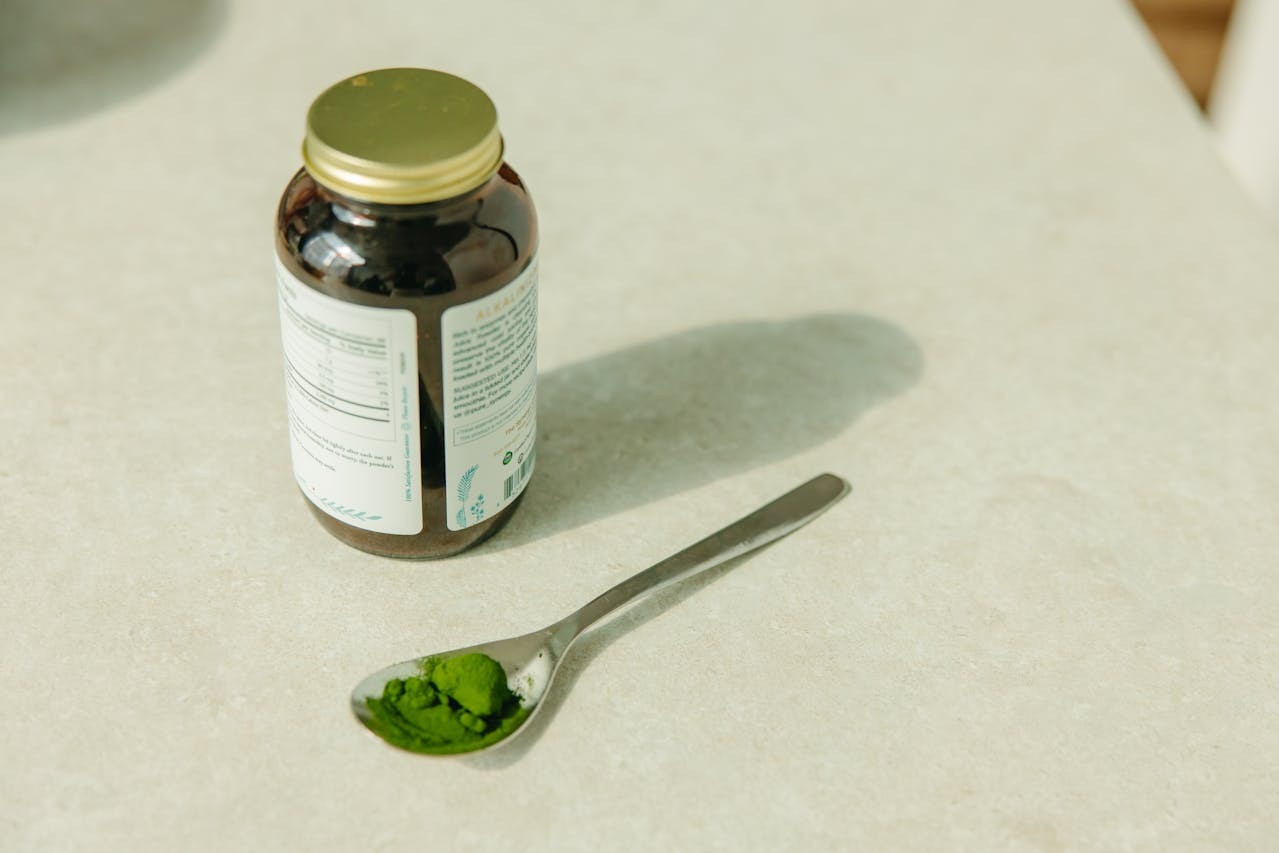
The supplement industry has responded to growing consumer interest in plant-based nutrition by introducing numerous products marketed as vegan collagen or collagen boosters. These alternatives promise to deliver the same benefits as traditional marine or bovine collagen while aligning with plant-based dietary preferences. However, a critical examination of the biochemistry, clinical evidence, and practical realities reveals significant differences between marine collagen and plant-based alternatives that consumers should understand before making supplementation decisions.
The Fundamental Biochemical Reality
Collagen is a protein found exclusively in animals. Plants do not produce collagen or any structurally similar protein. This represents not a minor difference in sourcing but a fundamental biological reality. When companies market plant-based collagen products, they are selling one of two things: amino acid blends designed to provide the building blocks for collagen synthesis, or compounds claimed to stimulate your body’s own collagen production.
True collagen consists of a unique triple helix structure formed by three polypeptide chains. Each chain contains a repeating amino acid sequence where glycine appears at every third position, flanked by proline and hydroxyproline. This precise structure gives collagen its strength and function in connective tissues throughout the body.
Hydroxyproline deserves particular attention because it is found almost exclusively in collagen and serves as a biomarker for collagen metabolism. This amino acid is not incorporated into proteins during their synthesis. Instead, it is formed after the collagen chain is built through a post-translational modification requiring vitamin C. Plant proteins do not contain hydroxyproline, and plant-based supplements cannot provide it.
Naked Nutrition’s Marine Collagen delivers actual collagen peptides with the complete amino acid profile including hydroxyproline, providing not just building blocks but bioactive signaling molecules that trigger your body’s own collagen production. This wild-caught fish source provides the authentic Type I collagen structure that research has validated for skin, joint, and gut health benefits.
What Plant-Based Collagen Products Actually Contain
Plant-based collagen alternatives typically fall into two categories. The first consists of amino acid blends containing glycine, proline, and lysine sourced from plants. These products provide some of the amino acids found in collagen but lack the complete profile and specific ratios that define actual collagen.
The second category includes collagen-boosting formulas containing vitamin C, silica, biotin, and various plant extracts claimed to stimulate collagen production. While some of these nutrients do support collagen synthesis (particularly vitamin C), they represent cofactors rather than the primary substrate needed for collagen formation.
Some products use genetically modified yeast or bacteria to produce collagen-like proteins in laboratory settings. This emerging technology shows promise but currently lacks the extensive clinical validation that marine collagen has accumulated. The production processes remain expensive and the resulting products are not yet widely available at consumer-friendly prices.
The Research Gap: Clinical Evidence Comparison
The clinical evidence supporting marine collagen is substantial and growing. Multiple double-blind, placebo-controlled studies have documented measurable improvements in skin elasticity, wrinkle reduction, joint comfort, and other parameters when participants consume marine collagen peptides.
A 2014 study in the Journal of Cosmetic Dermatology, for example, showed that women consuming 2.5 grams of marine collagen peptides daily experienced a 7.5% improvement in skin elasticity and measurable wrinkle reduction within eight weeks. These results came from objective measurements using specialized equipment, not subjective self-reporting.
Research on joint health reveals similar rigor. A 24-week study published in Current Medical Research and Opinion found that athletes consuming 10 grams of collagen hydrolysate daily experienced significant reductions in joint pain during activity compared to placebo groups.
In contrast, clinical research on plant-based collagen alternatives remains extremely limited. Most products rely on individual studies of their component ingredients (such as vitamin C’s role in collagen synthesis) rather than research on the complete formulation. The few studies that exist on plant-based collagen products often lack the methodological rigor of marine collagen research, with smaller sample sizes, shorter durations, and reliance on subjective measures rather than objective measurements.
This research gap matters significantly. When choosing supplements, consumers benefit from products backed by clinical evidence demonstrating actual efficacy rather than theoretical mechanisms that may or may not translate to real-world benefits.
Amino Acid Profiles: The Details Matter
Collagen contains a unique amino acid profile with approximately 33% glycine, 12% proline, 11% hydroxyproline, and smaller amounts of other amino acids. This specific composition defines collagen’s structure and function.
Plant proteins have fundamentally different amino acid profiles. Legumes, grains, and other plant sources provide varying amounts of glycine and proline but in different ratios than collagen. More critically, they provide zero hydroxyproline since this amino acid does not exist in plant proteins.
Some plant-based collagen products attempt to compensate by including isolated amino acids in collagen-like ratios. However, consuming free amino acids differs substantially from consuming intact collagen peptides. Research has shown that specific dipeptides and tripeptides from collagen hydrolysate remain intact during digestion and enter the bloodstream as small peptide chains rather than being completely broken down into individual amino acids.
These intact peptides function as signaling molecules, triggering fibroblasts and chondrocytes to increase their own collagen production. A study using radiolabeled collagen peptides tracked their distribution and found that proline-hydroxyproline dipeptides accumulated in skin tissue and stimulated collagen synthesis beyond what the amino acid building blocks alone could support.
Plant-based amino acid blends cannot replicate this signaling function because they lack the specific peptide sequences that trigger these cellular responses. Even if they provide adequate amino acid building blocks, they miss the additional layer of bioactive signaling that makes marine collagen particularly effective.
Bioavailability and Absorption Considerations
Marine collagen peptides are specifically hydrolyzed to an optimal size range of 2,000-5,000 Daltons. This molecular weight allows for efficient absorption through the intestinal wall and distribution via the bloodstream to target tissues.
Research tracking absorption rates has shown that marine collagen peptides achieve high bioavailability, with significant amounts entering circulation within hours of consumption and accumulating in skin and joint tissues. The pre-digested nature of hydrolyzed collagen means minimal digestive effort is required for absorption.
Plant-based alternatives face different absorption challenges. Free amino acid supplements are absorbed rapidly but may not be utilized as efficiently for collagen synthesis as peptide-bound amino acids from actual collagen. The body must then assemble these individual amino acids into the correct peptide sequences and ratios needed for collagen formation.
This represents a less direct path compared to consuming collagen peptides that already contain the precise amino acid sequences and ratios the body needs. While theoretically possible, the practical efficiency differs substantially.
The Ethical and Environmental Considerations
Many consumers interested in plant-based collagen alternatives are motivated by ethical concerns about animal products or environmental sustainability. These concerns deserve serious consideration and represent valid reasons to seek alternatives.
However, the environmental comparison is more nuanced than it might initially appear. Marine collagen is typically derived from fish byproducts (skin and scales) that would otherwise be discarded during food processing. This represents an upcycling approach that adds value to materials already generated by existing fishing operations rather than requiring additional environmental impact.
Wild-caught fish sources for marine collagen generally have lower environmental footprints than farmed alternatives. The processing required to create hydrolyzed collagen peptides uses established, relatively efficient methods compared to the complex fermentation or genetic modification approaches needed to produce laboratory-generated collagen from non-animal sources.
For individuals committed to fully plant-based nutrition for ethical reasons, supporting the body’s own collagen production through adequate vitamin C, silica, and amino acid intake from varied plant protein sources represents a reasonable approach, even if it lacks the clinical validation of marine collagen supplementation.
Practical Considerations and Cost Effectiveness
Marine collagen products vary in price but generally cost between $1-2 per daily serving for quality products. Plant-based collagen alternatives often cost similar amounts or more, despite lacking the same clinical validation.
From a cost-effectiveness standpoint, if plant-based alternatives do not deliver equivalent results (and current evidence suggests they do not), they represent lower value regardless of absolute price. Consumers invest in supplements expecting specific outcomes, making efficacy the primary consideration in value calculation.
For individuals without ethical restrictions on animal products, the evidence strongly favors marine collagen for applications related to skin health, joint support, and gut function. The extensive research, proven mechanisms of action, and consistent clinical results make marine collagen the evidence-based choice.
For those committed to plant-based nutrition, focusing on collagen synthesis support through vitamin C supplementation (1,000mg daily), adequate protein intake from varied plant sources, and lifestyle factors that protect existing collagen (sun protection, reduced sugar intake, adequate sleep) represents a more honest approach than relying on products marketed as plant-based collagen equivalents.
The Cofactor Approach: Supporting Your Body’s Production
Regardless of whether you choose marine collagen or plant-based alternatives, certain nutrients are essential for optimal collagen synthesis. Vitamin C plays a critical role in the hydroxylation of proline and lysine, the step that creates the hydroxyproline and hydroxylysine needed for stable collagen structures.
Copper serves as a cofactor for lysyl oxidase, an enzyme required for collagen cross-linking. Zinc supports various enzymes involved in collagen synthesis and wound healing. Silica appears to support collagen formation and bone health, though research is less extensive than for vitamin C.
A comprehensive approach to collagen support includes these cofactors alongside direct collagen supplementation or plant-based alternatives. Many people find that combining marine collagen with a vitamin C supplement optimizes results, as the collagen provides substrate and signaling peptides while vitamin C ensures efficient conversion to functional collagen structures.
Comprehensive Recovery Strategies for Collagen Health
Beyond nutritional supplementation, lifestyle practices that support circulation and reduce inflammation can enhance your body’s ability to synthesize and maintain collagen structures. These approaches work synergistically with marine collagen supplementation or can partially compensate for the limitations of plant-based alternatives.
Cold exposure therapy represents one of the most effective lifestyle interventions for reducing systemic inflammation that accelerates collagen breakdown. Chronic inflammation activates matrix metalloproteinases (MMPs), enzymes that degrade collagen throughout the body. By reducing inflammatory markers, regular cold plunge sessions help preserve existing collagen while your nutritional approach supports new synthesis.
Research has shown that cold water immersion reduces circulating levels of IL-6, TNF-alpha, and other pro-inflammatory cytokines that contribute to accelerated aging and tissue degradation. A typical protocol involves 2-3 minutes of cold immersion at 45-55°F, performed 3-5 times weekly.
The combination of marine collagen supplementation (5-10 grams daily) with regular cold exposure creates a comprehensive approach that addresses collagen health from multiple angles. The supplementation provides direct building blocks and signaling peptides, while cold therapy reduces the inflammatory environment that breaks down collagen faster than it can be replaced.
Many practitioners report that this integrated approach produces superior results compared to supplementation alone, with measurable improvements in skin quality, joint comfort, and overall tissue health becoming apparent within 8-12 weeks of consistent practice.
Conclusion
The comparison between marine collagen and plant-based alternatives reveals a clear distinction in both mechanism and evidence. Marine collagen provides actual collagen peptides with proven bioavailability, bioactive signaling properties, and substantial clinical validation for multiple health applications. Plant-based alternatives offer amino acid building blocks and synthesis cofactors but lack the complete profile, peptide signaling function, and research support that characterizes marine collagen. For consumers seeking evidence-based supplementation for skin, joint, or gut health, marine collagen remains the scientifically superior choice, while those committed to plant-based nutrition should focus on supporting their body’s own collagen production through comprehensive nutritional and lifestyle approaches.