


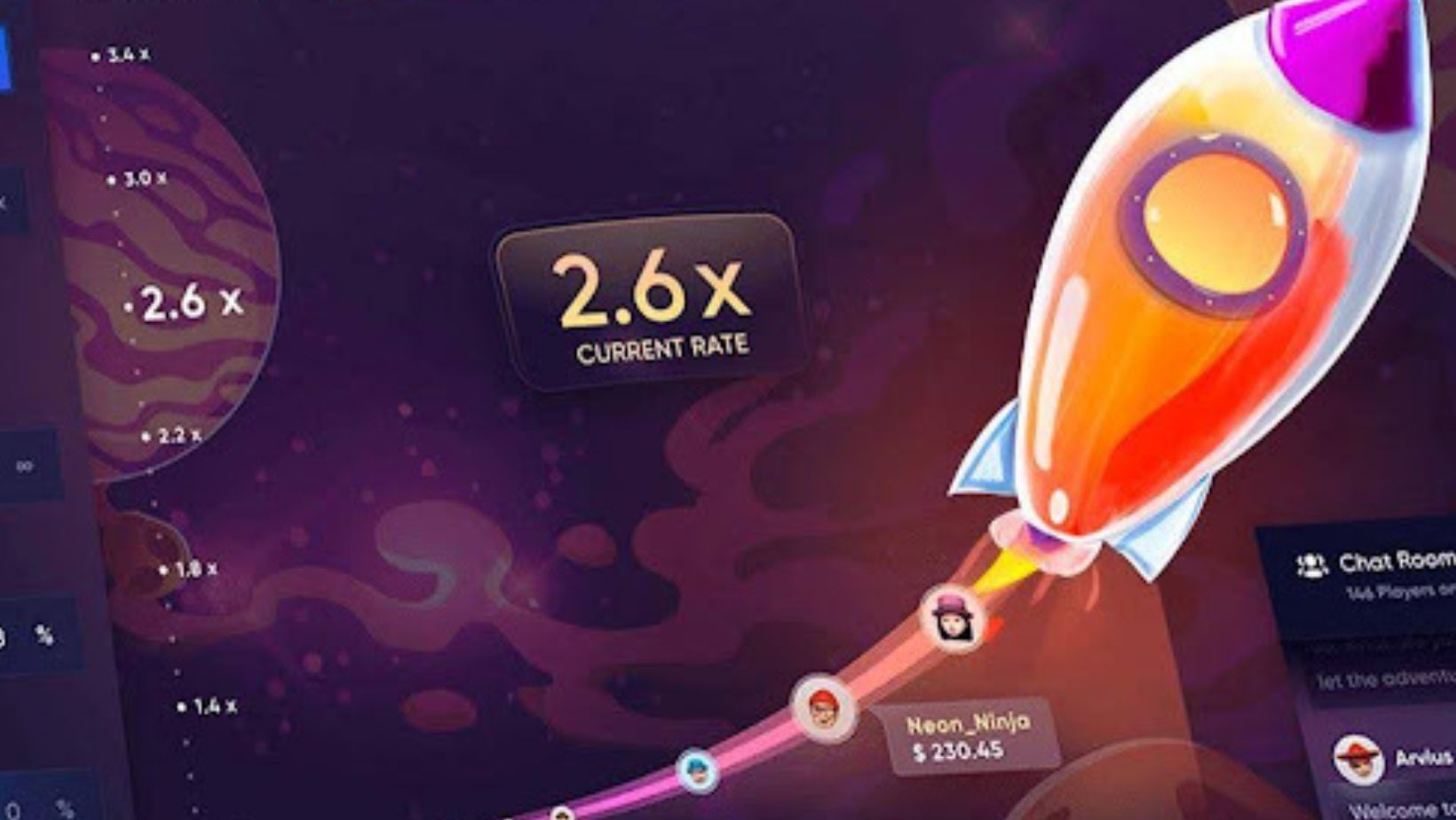
Crash games didn’t sneak into betting platforms. They kicked the door in.
A few years ago, sportsbooks were clean and predictable. Pre-match, live odds, maybe some slots off to the side. Then crash mechanics showed up, fast rounds, rising multipliers, instant decisions. Different rhythm. Different psychology. And suddenly platforms had to adapt.
Anyone who’s clicked into aviator parimatch has seen how naturally this format now sits inside a bookmaker environment. That didn’t happen by accident.
Crash Games Don’t Behave Like Sports Betting
That’s the first mistake teams make. Treating crash games like just another market. They’re not.
Crash games run on rapid cycles. Rounds last seconds. Users place bets, cash out, repeat. Over and over. The load pattern looks nothing like football or tennis betting. Traffic is constant, not spiky. The backend never really gets a break.
This changes how sessions, balances, and bet confirmations are handled. Delays that might go unnoticed in sports betting feel brutal here.
Technical Integration Is Only Half The Job
Plugging in a crash game provider isn’t hard. Making it feel native is. The game has to share wallet logic, risk controls, and user limits. Balances update instantly. No “pending” states. No visible sync delays between sportsbook and game client.
If users feel like they’ve jumped into a different product, trust drops. Fast. That’s why good integrations blur the line. One account. One balance. One experience.
Risk Management Gets Sharper
Crash games move money fast. Very fast. From a platform perspective, this means tighter real-time monitoring. Exposure shifts quickly. User behavior patterns change. Some players play hundreds of rounds in one session.

Risk systems designed for sports betting need adjustments. Automated limits, dynamic checks, anomaly detection, all tuned for speed. Human review comes later, if at all. You can’t manage crash games with yesterday’s tools.
UX Matters More Than Ever
Crash games are unforgiving to bad design. Buttons need to respond instantly. Cashout timing must be precise. Visual lag equals lost trust. Even small UI hiccups feel amplified when rounds last five seconds.
Platforms that integrate crash games successfully usually simplify everything around them. Fewer distractions. Clear numbers. No clutter. Let the game breathe. Overdesign kills momentum.
Why Bookmakers Keep Adding Them Anyway
Because users love them. Simple as that. Crash games bring something sportsbooks often lack: immediacy. No waiting for a match to finish. No complex analysis. Just risk, timing, and instinct.
From a business standpoint, they increase session length and cross-product engagement. Sports bettors try crash games. Crash players wander into live betting. The ecosystem expands.
The Bigger Picture
Crash games aren’t a side feature anymore. They’re part of the core offering for many platforms. Integrating them properly means rethinking architecture, risk logic, and UX assumptions. Do it lazily, and the cracks show fast. Do it right, and the product feels modern, flexible, alive.This isn’t about chasing trends. It’s about understanding how players actually behave now. And building platforms that can keep up without blinking.