


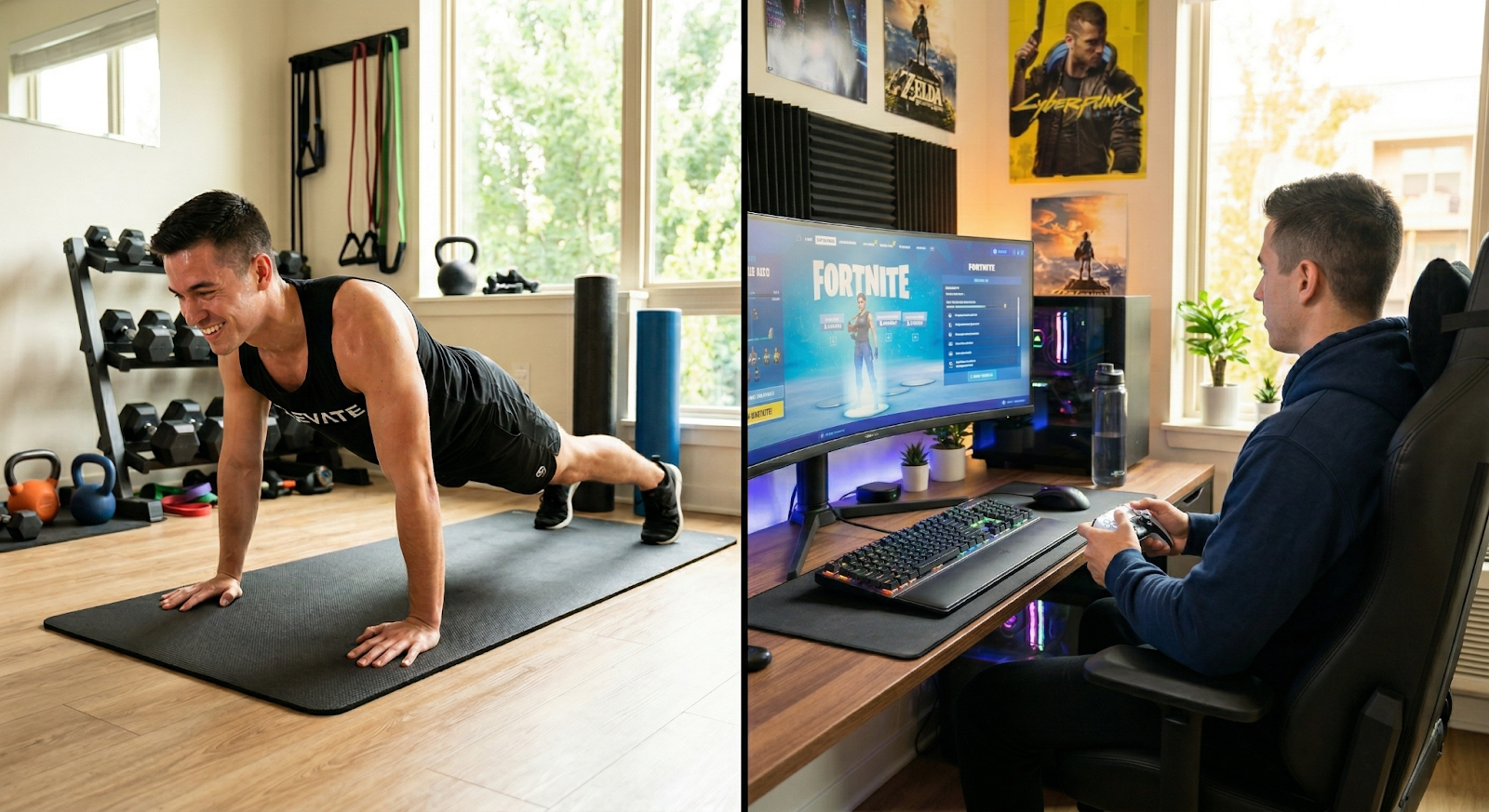
The stereotype of gamers as sedentary and unhealthy has become increasingly disconnected from reality. A growing movement within gaming communities emphasizes physical fitness, mental health, and holistic well-being as essential components of sustainable gaming lifestyles. Professional esports organizations now employ nutritionists and physical trainers, streamers broadcast workout routines alongside gameplay sessions, and gaming communities have developed sophisticated approaches to balancing screen time with physical activity.
As more people integrate gaming into their daily routines across decades, the necessity of sustainable health practices has become apparent. The most successful long-term gamers treat their bodies as essential equipment requiring maintenance, like any successful athlete would.
The Professional Gaming Fitness Revolution
Professional esports organizations have pioneered fitness integration. Teams maintain dedicated training facilities with full gyms and employ physical therapists. Players who prioritize cardiovascular health, core strength, and flexibility demonstrate superior focus, reaction time, and decision-making under pressure.
The professional emphasis on fitness has influenced amateur and casual gaming communities. Streamers share workout routines designed around gaming schedules. This normalization has created permission structures for players to prioritize physical health.
Screen Time Management and Mental Health
The relationship between gaming and mental health has evolved toward a nuanced understanding. Players increasingly recognize that gaming provides genuine value – social connection, skill development, stress relief, achievement satisfaction.
Mental health awareness within gaming communities has grown significantly. Players share strategies for maintaining healthy engagement patterns. The concept of “gaming hygiene” has emerged. This includes maintaining consistent gaming schedules, taking regular breaks, and alternating intensive competitive sessions with relaxing casual play. Players who develop these practices report more sustained enjoyment and greater life satisfaction.
Physical Exercise Integration Strategies
Gaming communities have developed ideal approaches to integrating physical activity. Some people even employ the Pomodoro technique when gaming, alternating 25-minute gaming sessions with 5-minute walk breaks. This pattern maintains physical engagement while providing mental refreshment. Traditional exercise equipment has been adapted for gaming. Stationary bikes with controller mounts allow cardio sessions. Standing desks enable posture variation. Resistance bands address forearm and wrist strengthening.
Nutrition Awareness and Energy Management
Gaming nutrition has evolved toward intentional fueling strategies. Gamers recognize that diet directly impacts cognitive performance and sustained focus. Players have gravitated toward lighter, more frequent meals that maintain stable energy. Hydration receives particular attention, as dehydration measurably impairs reaction time. Players increasingly favor consistent energy through proper nutrition and sleep.
Of course, the key to any nutrition strategy is balance and moderation. While certain foods offer specific benefits, overindulging in any single item – no matter how healthy – rarely ends well. Case in point: this traveler who decided an entire piece of raw ginger was a good in-flight snack.
The Mindful Gaming Movement
Mindfulness practices have found surprising adoption within gaming communities. Meditation apps, breathing exercises, and pre-gaming mental preparation routines help players manage competitive anxiety and maintain emotional equilibrium. These practices are now recognized as performance enhancers that extend gaming enjoyment.
The principle applies equally to recreational gaming contexts. Players seeking relaxation have found that brief mindfulness exercises before sessions enhance their enjoyment. Platforms offering casual gaming experiences, like this one offering online slots in Australia, attract players seeking low-stakes entertainment that provides mental decompression without competitive pressure. You can find online slots with diverse themes and mechanics, from classic fruit machines to elaborate video slots with bonus rounds and progressive jackpots.
Players appreciate being able to engage with online slots in brief sessions during breaks, as the quick gameplay loops allow satisfying experiences without demanding multi-hour commitments. Different gaming formats serve different psychological needs – competitive gaming provides achievement and skill expression, while casual formats offer mental downtime and uncomplicated entertainment. Balancing these gaming types alongside physical activity creates more sustainable overall engagement patterns.
Sleep Hygiene and Recovery
Sleep quality has emerged as critical for gaming performance and well-being. Professional teams now monitor players’ sleep patterns and educate them about sleep’s role in skill consolidation.
Solutions to screen-related sleep issues include blue light filtering glasses and screen-free buffer periods before bed. These adaptations allow continued evening gaming while promoting better sleep quality. The most sustainable gaming careers feature rhythms that alternate intensive periods with recovery phases.
Community Support and Accountability
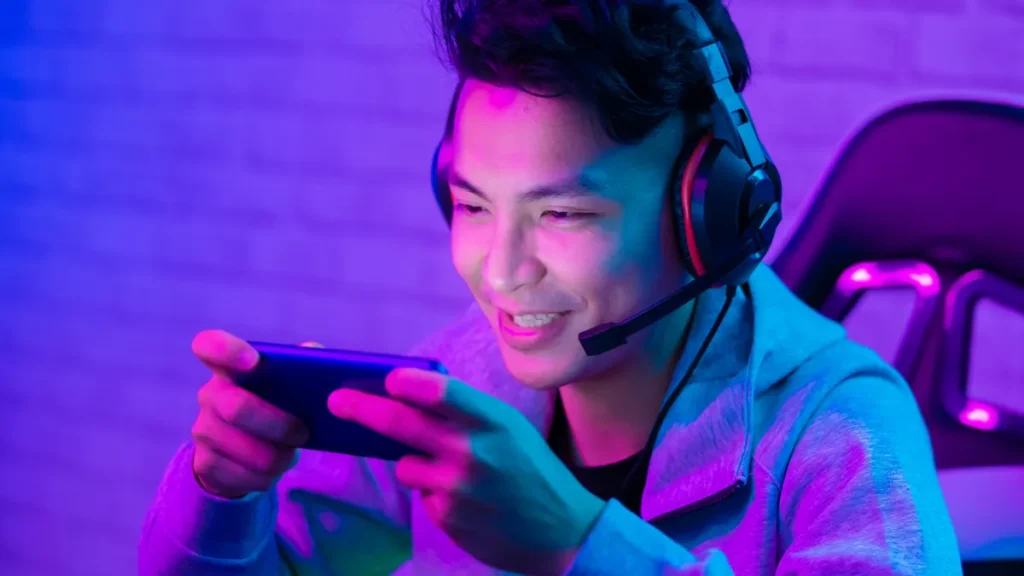
Gaming communities have developed peer support structures that encourage healthy behaviors. Fitness-focused Discord servers organize group workout challenges. Streamers hold each other accountable for exercise routines. The transformation demonstrates gaming culture’s capacity for positive evolution. As gaming audiences mature, sustainable practices have become normalized through shared knowledge and encouragement.
The Path Forward
The integration of fitness and well-being into gaming culture represents a fundamental shift. Rather than viewing physical health and gaming as competing priorities, players increasingly recognize them as synergistic elements of sustainable, enjoyable gaming lives. Physical fitness enhances gaming performance. Gaming provides motivation structures that make fitness more engaging.
This holistic approach positions gaming as compatible with healthy, balanced lifestyles. As more gamers demonstrate that it’s possible to maintain serious gaming commitments alongside fitness goals and family responsibilities, outdated stereotypes continue losing credibility. The future of gaming culture includes gyms, meditation apps, and nutritionists alongside controllers and headsets – all recognized as tools for optimizing the gaming experience across a lifetime of play.