


Fitness centers carry unique physical risks due to intense physical exertion. This post explores why personal trainers and gym staff must be equipped with professional first aid and CPR training. Learn how blended learning makes certification easy and why life-saving skills protect your clients and your fitness business.
Picture your typical Tuesday at the gym. Weights are clanking, treadmills are humming, and you are pushing a client through their final set of squats. Suddenly, someone two racks over drops to the floor clutching their chest. Would you know exactly what to do? In the fitness industry, we push bodies to their limits every single day. That is exactly why securing Coast2Coast Long Beach CPR Training is not just a resume booster. It is a critical safety net for your clients.
When a medical crisis happens, your certification is the only thing standing between confusion and effective action.
Why Do Fitness Professionals Need Specialized Emergency Skills?
You spend your career helping people build stronger hearts and muscles. But intense physical exertion carries inherent risks. A heavy deadlift gone wrong can cause a severe muscle strain or a dropped weight can crush a foot. Even worse, high-intensity interval training can trigger sudden cardiac arrest in someone with an undiagnosed heart condition.
When a medical emergency strikes on the gym floor, panic spreads fast. People tend to freeze up. As a trainer or gym owner, everyone will look to you for guidance. If you hesitate, precious seconds slip away. High-quality CPR keeps oxygen flowing to the brain until paramedics arrive, literally acting as the bridge between life and death.
Plus, most major insurance providers and fitness certification boards actually require you to hold a valid CPR/AED credential to maintain your professional standing.
How Can Busy Trainers Fit Certification Into Their Schedules?
We get it. You are working split shifts, training clients at 6 AM, and closing the gym at 9 PM. Sitting in a stuffy classroom for two days sounds awful. You simply do not have the time.
That is where blended learning steps in. It is a hybrid approach perfectly built for the fitness grind. You complete the theory side online during your downtime. You can learn the signs of a stroke, how to treat severe bleeding, and the basics of AED use straight from your laptop.
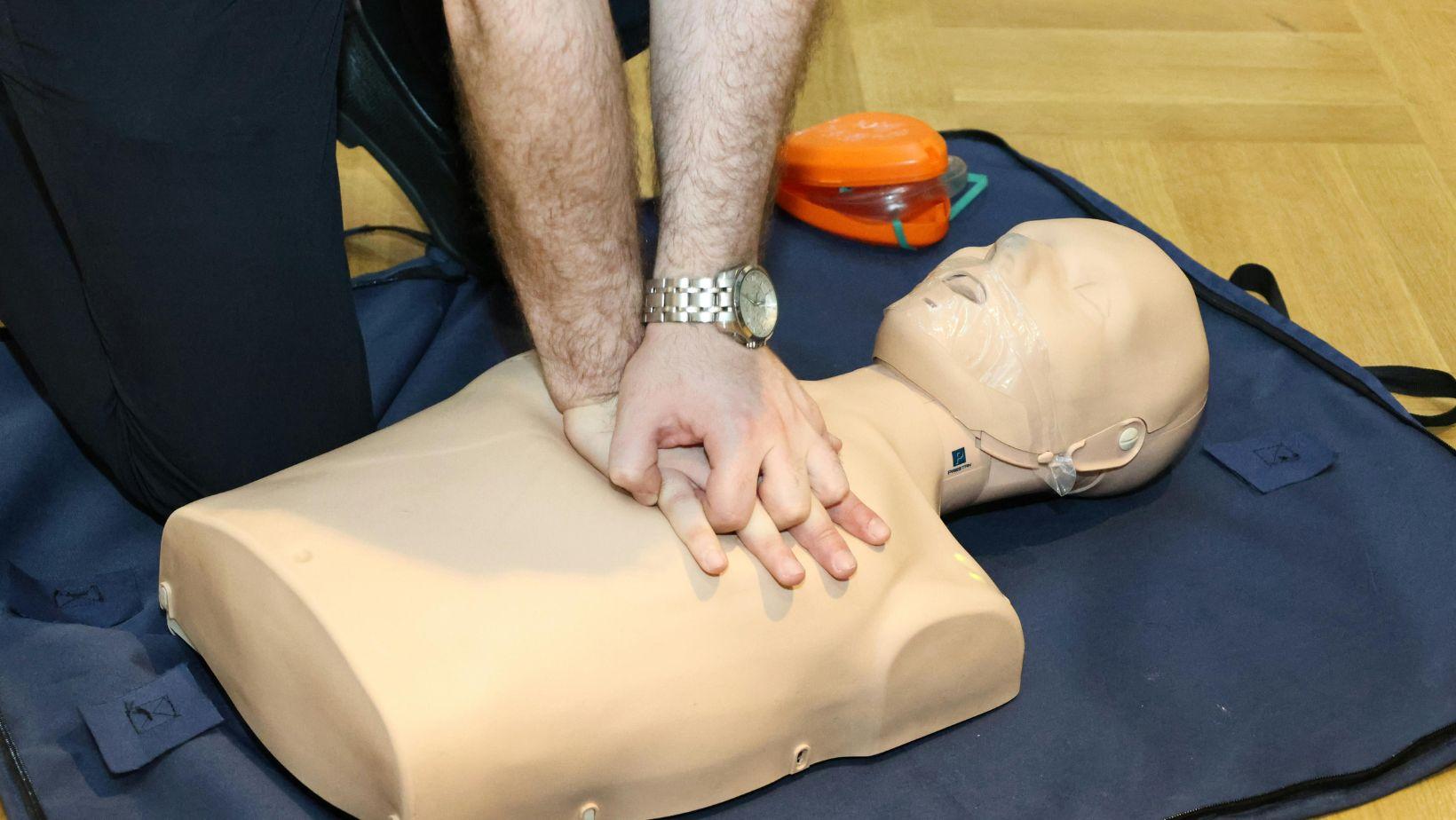
Then, you just show up for a short, highly focused hands-on skills session. You practice on real mannequins and then get right back to the gym floor.
What Makes the In-Person Practice So Important?
You wouldn't teach a client to do a power clean by just showing them a video, right? They have to physically feel the bar. First aid training works the exact same way.
Online theory is great for building background knowledge, but you need muscle memory for real emergencies. Feeling the resistance of a mannequin's chest during chest compressions builds genuine confidence. It ensures you know exactly how hard and fast to push when a real crisis hits. You just can't get that tactile feedback from a computer screen.
If you are looking for first aid training near Pacific Coast Highway, the Harbor City area, or other spots close to our facility, then you may reach out to Coast2Coast First Aid/CPR – Long Beach in that area. For more info and articles like this visit: https://www.c2cfirstaidaquatics.com/
Frequently Asked Questions
What certification level do personal trainers usually need?
Most personal trainers and fitness instructors are required to hold standard CPR and AED certification (often Level C). This covers adult, child, and infant emergencies. Always check with your specific fitness governing body to confirm their exact requirements.
How long is a CPR certification good for?
A standard CPR certification from recognized providers like the Red Cross or AHA is generally valid for two to three years. You will need to take a recertification course before it expires to stay compliant.
Do I really need to practice on a mannequin?
Yes, absolutely. To receive an official, recognized certification, you must physically demonstrate your skills on a training mannequin in front of an instructor. 100% online courses are not accepted by most fitness organizations.
Should gyms always have an AED on site?
Yes, having an Automated External Defibrillator (AED) in a fitness center is crucial. Using an AED combined with immediate CPR is the only effective treatment for sudden cardiac arrest.
What should a gym first aid kit include?
A gym first aid kit should go beyond the basics. Along with standard bandages, gauze, and medical tape, it should include instant cold packs for sprains, an eye wash station, athletic tape, disposable gloves, and a CPR face shield.