

BeFitNatic game tech mixes exercise and game design to make workouts fun. The platform rewards movement with points and levels. Players join short sessions, follow goals, and track progress. Developers add challenges and leaderboards. Coaches use the data to guide training. Fans watch events and discuss strategies. This article explains what BeFitNatic is, how it works, the technology it uses, and how people can join.
Key Takeaways
- BeFitNatic game tech transforms exercise into engaging gameplay by rewarding movement with points, levels, and competitive leaderboards.
- The platform uses advanced motion tracking via cameras, IMUs, and wearable sensors to deliver real-time feedback and fair scoring for all fitness levels.
- Its technology stack supports live events, cross-platform integration, and seamless data synchronization to enhance player and coach experiences.
- Monetization relies on subscriptions, events, and cosmetic purchases, with analytics guiding retention through personalized goals and competitive features.
- Community-driven features like teams, social workouts, and esports-style events foster engagement and attract sponsors and spectators.
- Getting started with BeFitNatic is simple: players download the app and calibrate, developers access the SDK, and partners integrate with APIs to host live matches and tournaments.
What Is BeFitNatic And Why It Matters
BeFitNatic game tech describes a hybrid product that blends fitness and play. The system turns activity into game objectives. Players earn rewards for steps, reps, or heart-rate zones. Trainers use the game metrics to set targets. Venues host events that attract spectators and sponsors. Teams adopt the platform to build conditioning and engagement. Media report higher viewership when matches include live fitness scoring and interactive polls. The rise of hybrid titles has pushed brands to invest in cross-platform tournaments and local clubs.
Core Gameplay, Goals, And Fitness Mechanics
BeFitNatic game tech frames play around short, repeatable sessions. Players join missions that require movement, balance, or strength tasks. The game scores each action and compares it to personal baselines. Goals arrive as daily steps, interval sets, or skill drills. Mechanics include cooldowns, combo meters, and adaptive difficulty. The system scales tasks by fitness level and past performance. Rewards come as cosmetic items, training boosts, or leaderboard rank. This model keeps players focused and helps coaches assign measurable workloads.
Technology Stack Behind BeFitNatic
BeFitNatic game tech runs on a layered stack that handles inputs, processing, and display. Edge devices collect motion data and stream it to cloud services. Servers run player state, leaderboards, and matchmaking. Clients render the game, show feedback, and record local metrics. Security layers protect profiles and payment data. APIs let partners add content and analytics. The stack supports live events, replay, and performance export. Many venues integrate the platform with in-house systems to sync schedules and scoreboard displays. The architecture aims for low latency and clear telemetry.
Motion Tracking, Sensors, And Real-Time Feedback
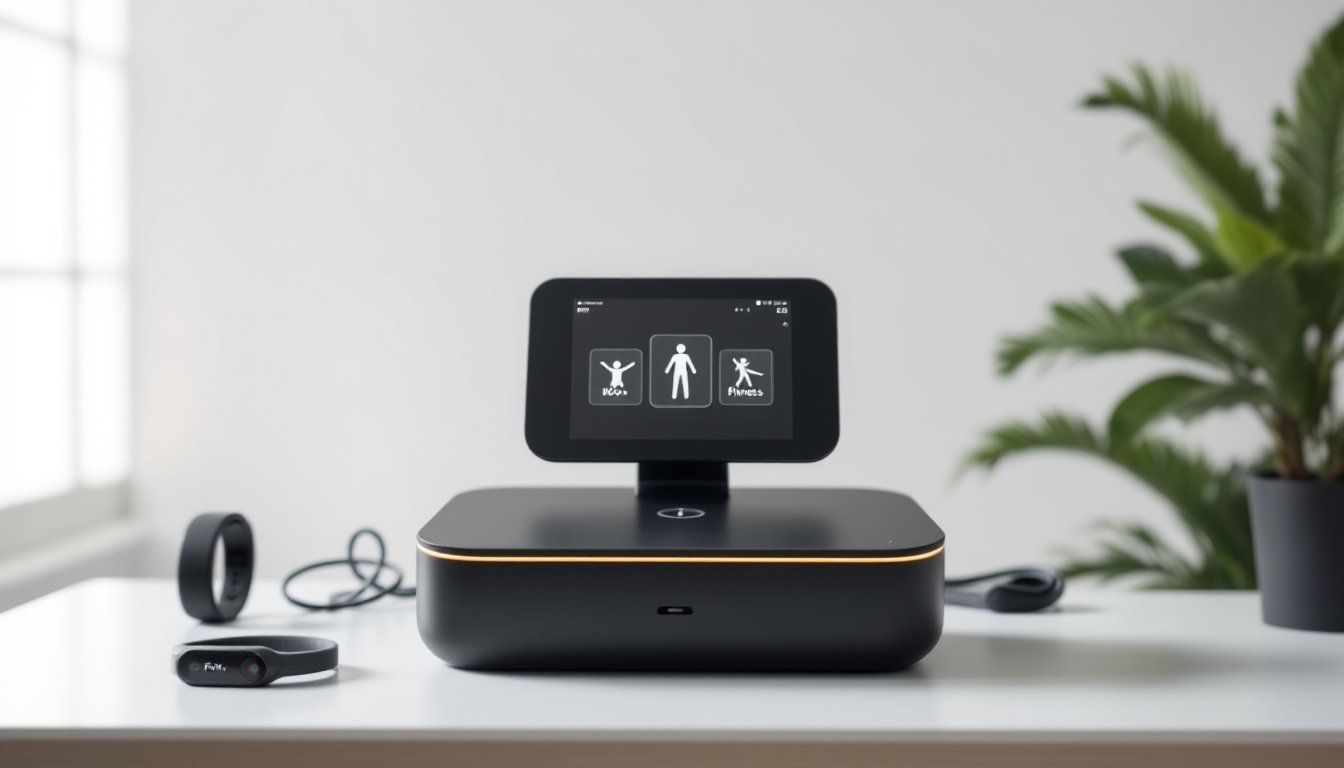
BeFitNatic game tech uses a mix of cameras, IMUs, and wearable sensors. Cameras capture pose and environment. IMUs measure acceleration and rotation. Heart-rate straps provide intensity data. The system filters raw signals, segments actions, and maps outcomes to game events. Feedback appears as color-coded bars, audio cues, and short haptics. The platform calibrates per user to reduce false detections. Developers tune thresholds to match common gyms and living rooms. Reliable motion capture improves scoring fairness and keeps players confident.
Monetization, Analytics, And Player Retention Strategies
BeFitNatic game tech sells subscriptions, event tickets, and cosmetic packs. The platform offers a free tier and paid plans with deeper analytics. Studios sell branded challenges and sponsored content. Analytics track session frequency, effort zones, and churn signals. Teams use cohort reports to refine missions and rewards. Retention tactics include streaks, social goals, and seasonal leagues. The platform tests offers with A/B trials to find price and reward combinations that work. Publishers focus on value: players pay when they see clear fitness progress and engaging competition.[anchor]
Community, Social Features, And Esports Potential
BeFitNatic game tech supports clubs, friend groups, and public ladders. Players form teams and schedule scrimmages. The platform adds chat, clips, and shared workouts to build habits. Organizers host local qualifiers that feed into larger events. Broadcasters layer live telemetry into streams to show effort and scores. That format drives spectator interest and sponsorship. Coverage of esports growth supports event interest, and major outlets note the crossover between sports and gaming.[bleacher] (https://bleacherreport.com/articles/1233655-sports-and-pop-culture-the-evolution-and-emergence-of-e-sports) Communities grow when creators publish guides and highlight play styles.
How To Get Started As A Player, Developer, Or Partner
Players download the app, create a profile, and complete a calibration test. They join beginner missions to set baselines. Developers request the SDK, test motion hooks, and submit modules to the marketplace. Partners sign platform agreements, integrate scheduling APIs, and list events. Venues use the platform to sell tickets and host live matches. eTrueSports readers can review integration notes and performance tips on the site resources. The platform publishes developer docs, sample code, and case studies to speed adoption.