


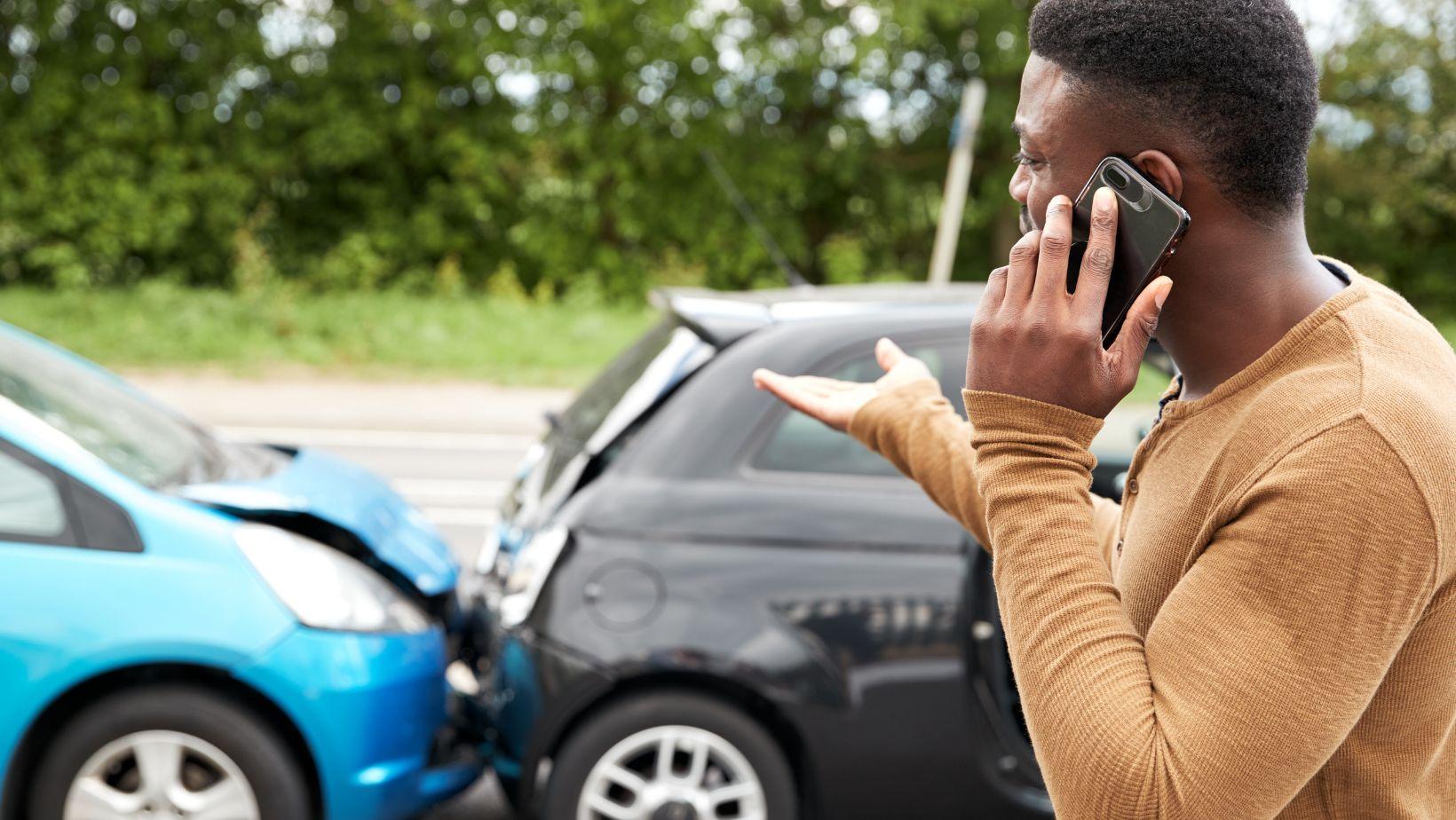
A collision alone is stressful enough, involving damaged vehicles, potential injuries, and the general disorientation that follows any unexpected impact on the road. Discovering that the person responsible has already left the scene adds an entirely different layer of difficulty.
That realization often arrives with genuine shock. One moment, there’s an expectation of exchanging information and sorting out what happened together. The next, there’s an empty space where the other vehicle used to be, leaving considerable uncertainty about what actually comes next.
Understanding how to respond to hit and run accidents matters considerably in that moment, since quick, thoughtful action can significantly affect the ability to eventually identify who was actually responsible for the collision.
Safety and Medical Needs Come First
Regardless of the other driver’s disappearance, immediate priorities remain focused on safety and medical needs. Moving to a safe location, away from active traffic, matters considerably, particularly if the vehicle remains in a position that could create additional danger.
Assessing injuries carefully comes next, recognizing that adrenaline can sometimes mask pain immediately after a collision. Contacting emergency services becomes appropriate whenever injuries are present or even suspected, regardless of how the situation with the other driver ultimately gets resolved.
These immediate priorities matter more than any concern about identifying the responsible driver right away. Addressing safety and medical needs first establishes a stable foundation before shifting attention toward the more investigative aspects of the situation.
Small Details May Help Identify the Driver
Once immediate safety has been addressed, small observational details can become surprisingly valuable. License plate numbers, even partial ones, can meaningfully narrow down identification, along with basic details like vehicle color, make, and any visible damage sustained during the collision.
Direction of travel matters too, potentially helping establish where the responsible vehicle might have gone after leaving the scene. Nearby witnesses, if present, may have noticed additional details that weren’t immediately obvious from the perspective of the person directly involved.
Photographs of the scene, including any debris or vehicle damage, can help preserve details that might otherwise fade from memory. Even seemingly minor observations can sometimes contribute meaningfully toward eventually identifying the driver who left the scene.
Cameras Can Become Critical Evidence
Beyond direct observation, various camera sources throughout the surrounding area can sometimes capture valuable footage. Dashcams, when present in either vehicle, may have recorded the collision directly, potentially including clear footage of the responsible vehicle before it left.
Traffic cameras positioned nearby sometimes capture relevant footage too, along with security cameras from surrounding businesses that happen to face the roadway where the collision occurred. Doorbell cameras from nearby residences occasionally provide unexpected but genuinely useful footage as well.
Checking these potential sources promptly matters considerably, since footage doesn’t always remain available indefinitely. Reaching out to nearby businesses or residents relatively soon after the incident increases the likelihood that relevant footage still exists and remains accessible.
Insurance May Still Play a Role
Even when the responsible driver can’t be identified, insurance coverage may still offer some avenue for addressing resulting damages. Uninsured motorist coverage, where applicable, sometimes extends to situations involving unidentified drivers who fled the scene of a collision.
Understanding the specific terms and applicability of relevant insurance policies matters considerably in these situations, since coverage details can vary depending on the specific policy involved and the particular circumstances surrounding the hit-and-run incident itself.
Exploring these insurance considerations, even without a clearly identified responsible party, can sometimes provide meaningful options for addressing the practical and financial consequences that follow a collision where the other driver simply disappeared.
Conclusion
Quick documentation and careful attention to available details can matter considerably, even in situations where the responsible vehicle has already left the scene before any information exchange became possible between the parties actually involved.
Small observational details, potential camera footage, and applicable insurance coverage can all play a meaningful role in addressing the aftermath of a hit-and-run collision, even without immediate identification of who was actually responsible.
Taking these steps promptly, while details remain fresh and evidence remains available, gives affected drivers the best realistic chance of eventually resolving a situation that initially feels considerably more uncertain than an ordinary collision.