


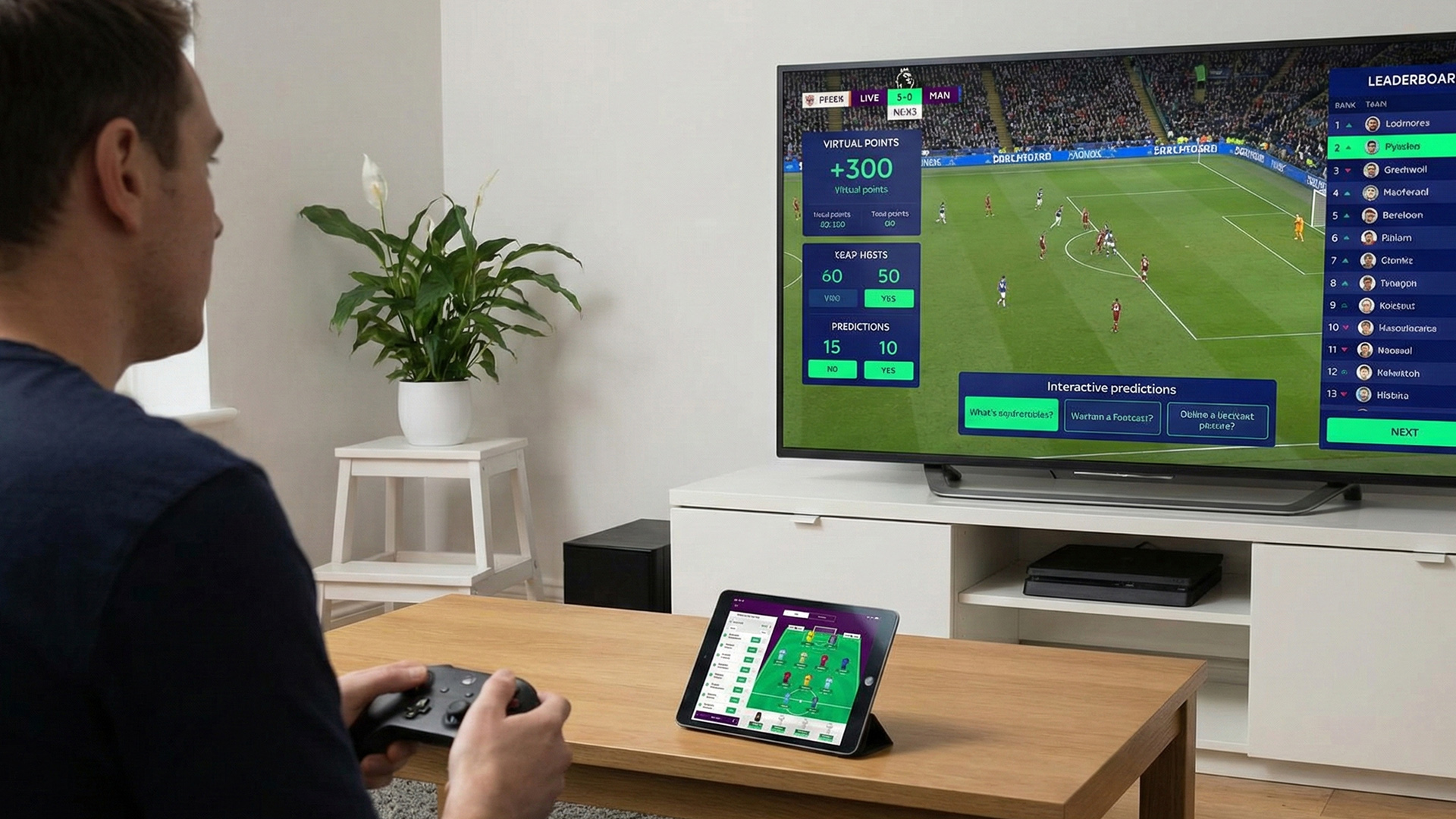
Anyone who has played video games knows the rush of leveling up, climbing a leaderboard, or unlocking that next achievement. These mechanics keep us coming back for “just one more game” at 2 AM, and they’ve fundamentally shaped how an entire generation interacts with entertainment.
Now those same principles are reshaping how casual fans engage with sports. The result is a new category of platforms that feels more like gaming than traditional sports consumption, and it’s attracting millions of users who might never have considered themselves hardcore sports fans.
The Psychology Behind Why It Works
Video games have spent decades perfecting engagement. Progression systems, social competition, immediate feedback, and achievement unlocks create what psychologists call “variable reward schedules”—the same mechanism that makes slot machines compelling, but applied to skill-based outcomes.
Sports prediction platforms have recognized this and built experiences that borrow heavily from gaming conventions. Instead of simply watching a game, users make picks, track their accuracy over time, compete against friends on leaderboards, and earn rewards for consistent performance. The sports event becomes interactive rather than passive.
This isn’t coincidental. Research from the Entertainment Software Association shows that the average gamer is now 36 years old and has been playing for nearly two decades. These users expect interactivity from their entertainment. A generation raised on achievement systems and social competition naturally gravitates toward platforms that offer similar experiences around sports.
Breaking Down the Core Mechanics
The most successful sports engagement platforms share several features that gamers will immediately recognize.
Experience points and progression systems. Just like leveling a character in an RPG, users earn XP for participation and accuracy. Higher levels unlock new features, increased earning potential, and status within the community. This creates long-term goals beyond individual predictions.
Leaderboards and social competition. The same drive that pushes gamers to climb ranked ladders applies to sports predictions. Weekly, monthly, and all-time leaderboards let users measure themselves against friends and the broader community. For competitive personalities, this becomes as engaging as the sports themselves.
Daily challenges and streaks. Mobile gaming popularized the daily login bonus and streak rewards. Sports prediction apps have adopted this framework, encouraging consistent engagement rather than sporadic use. Miss a day, lose your streak—a simple but effective motivation tool.
Achievement systems. Unlocking badges for specific accomplishments (first correct underdog pick, ten-game win streak, perfect weekend slate) provides intermittent rewards that keep engagement high even during losing stretches.
Why Free-to-Play Changes Everything
The free-to-play model revolutionized gaming over the past fifteen years, and it’s having a similar effect on sports engagement. Traditional sports betting carries financial risk that excludes many potential fans. A free-to-play sports simulator removes that barrier entirely.
Platforms like HotTakes have built their entire model around this concept—what they describe as “paper trading for sports betting.” Users make picks using virtual tokens rather than real money, compete on leaderboards, and can earn actual prizes through consistent performance. The experience mirrors real prediction markets without the financial exposure.
This matters for several reasons. First, it democratizes participation. You don’t need disposable income to test your sports knowledge against friends or the broader community. Second, it creates a learning environment where users can develop their analytical skills without consequences. Third, it maintains the competitive elements that make prediction engaging while eliminating the stress that comes with real financial stakes.
For gamers, this model is immediately familiar. Free-to-play games have proven that engagement doesn’t require upfront payment. The same principle applies here.
The Social Layer Makes It Stick
Single-player games eventually get shelved. Multiplayer experiences with social features maintain player bases for years. Sports prediction platforms have learned this lesson.
The ability to sports bet against friends in a safe betting app creates accountability and ongoing rivalry that keeps users engaged season after season. You’re not just trying to beat an algorithm—you’re trying to prove you know more about the NFL than your college roommate or your coworker who won’t stop talking about their fantasy team.
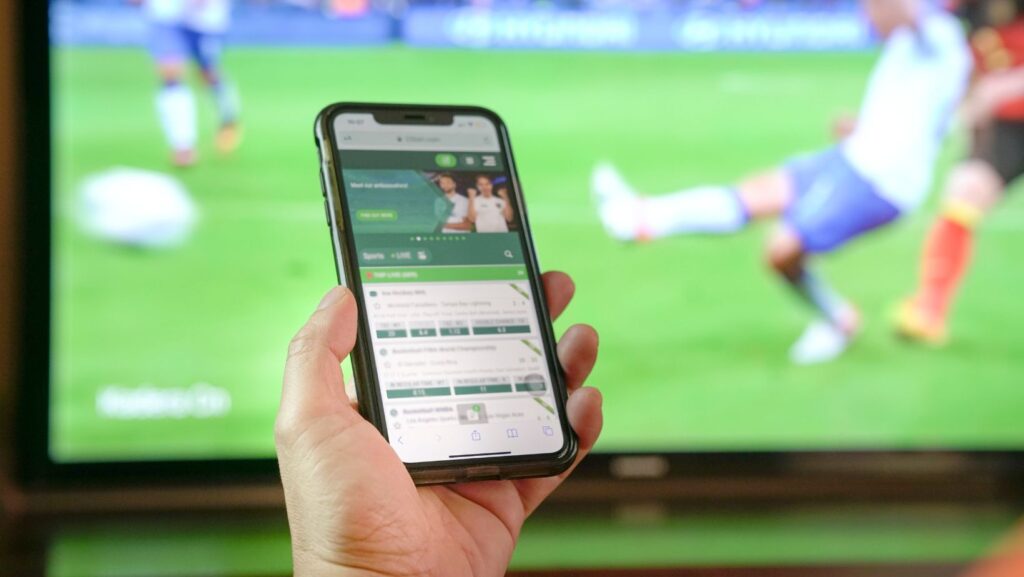
This social sports game element transforms prediction from a solitary activity into an ongoing conversation. Group chats fill with trash talk after bold picks hit or miss. Seasonal competitions create natural storylines within friend groups. The platform becomes a social hub rather than a standalone tool.
Modern sports predictor apps also incorporate following systems similar to social media. Users can tail picks from top performers, share their reasoning publicly, and build reputations within the community. For users who enjoy the strategic discussion around sports as much as the games themselves, this creates a betting forum atmosphere without the financial stakes.
What Gamers Should Know Before Starting
If you’re considering jumping into the sports prediction space, a few principles from gaming translate directly.
Process matters more than individual outcomes. In competitive gaming, one match doesn’t define your skill—your win rate over hundreds of games does. The same applies to sports predictions. A single upset doesn’t mean your analysis was wrong; small sample sizes create noise. Successful users focus on refining their process rather than chasing individual wins.
Specialization beats generalization. The best gamers focus on one title and master it. Similarly, successful sports predictors often concentrate on one sport or even specific bet types rather than spreading attention across everything. Deep knowledge in a narrow area typically outperforms shallow knowledge across many sports.
Tilt is real. Gamers know that emotional decision-making after losses leads to more losses. In sports prediction, the same pattern emerges. A disciplined approach that doesn’t chase losses or double down after a bad day produces better long-term results.
Community knowledge is valuable. Just as gaming communities share meta strategies and tier lists, sports prediction communities surface analysis and perspective that individual users might miss. Engaging with community features isn’t just social—it’s strategically useful.
The Convergence Continues
The lines between gaming and traditional sports engagement continue to blur. Esports has already demonstrated that competitive gaming can sustain massive audiences and prediction markets of its own. Traditional sports leagues have invested heavily in gamification features within their official apps. Sports video games increasingly include prediction elements tied to real-world outcomes.
For the generation that grew up with controllers in hand, this convergence feels natural. Engagement mechanics that seemed unique to gaming have proven universal. The question isn’t whether sports prediction will continue borrowing from gaming design principles—it’s how deep that integration will go.
What started as simple pick’em contests has evolved into sophisticated platforms with progression systems, social features, and achievement frameworks that rival the games we play for entertainment. For sports fans who want more interactivity than passive viewing but aren’t interested in financial risk, these free-to-play sports simulators offer exactly the right balance.
The next time you’re scrolling through your phone looking for something to do during a slow Sunday afternoon, consider that making a few picks on your favorite games might scratch the same itch as queuing up for one more ranked match. The mechanics are more similar than you’d expect.