



Most people rely on a scale or quick visual cues to judge their health, but those methods barely skim the surface of what’s happening inside the body. With more people prioritizing long-term wellness over short-term fixes, precise measurement tools—like DEXA scans—are becoming part of mainstream health routines. A DEXA (dual-energy X-ray absorptiometry) scan breaks down fat mass, lean mass, bone density, and fat distribution in a way few other assessments can.
Why Body Composition Matters More Than Weight Alone
Two individuals can weigh the exact same amount and have completely different risk profiles. The differentiators—muscle mass, visceral fat, bone quality, and fat distribution—shape not just appearance but long-term metabolic and cardiovascular health.
The Centers for Disease Control and Prevention (CDC) makes this clear: excess visceral fat, the type stored deep around the organs, is strongly associated with cardiometabolic conditions like heart disease and type 2 diabetes. Their overview explains how visceral adiposity contributes to inflammation, insulin resistance, and impaired metabolic function, making distribution far more important than weight alone: https://www.cdc.gov/obesity/adult/causes/index.html
By distinguishing between fat stored in the abdomen versus the hips and legs, a DEXA scan gives individuals clarity on their actual risk level—not assumptions based on body weight.
Interpreting Your DEXA Results the Right Way
A DEXA report includes regional body fat, lean mass, bone metrics, symmetry analysis, android/gynoid ratios, and visceral fat estimates. These pages contain powerful insights—but the visuals and numbers can feel dense without guidance.
If you want a clear, step-by-step breakdown of what each part of your scan actually means, this guide on how to read DEXA scan results walks through the entire process—from understanding fat distribution patterns to interpreting bone health indicators and long-term trends.
Turning raw data into actionable steps is where people experience the biggest breakthroughs. Once you know what your numbers represent, you can adjust training, nutrition, recovery, and lifestyle variables more intentionally.
Lean Mass: A Better Predictor of Long-Term Health
When most people think about muscle, they picture aesthetics—but lean mass has a far deeper significance. Research from the National Institutes of Health (NIH) highlights that muscle quality and lean tissue strongly influence mobility, metabolic health, and independence as people age. Their findings show that maintaining or improving lean mass contributes to better glucose regulation, increased longevity, reduced fall risk, and greater functional capacity later in life: https://www.ncbi.nlm.nih.gov/pmc/articles/PMC6777763/
DEXA is uniquely equipped to measure lean mass distribution in specific regions—arms, legs, trunk—making it one of the most reliable tools to monitor muscle health over time.
Bone Density: Not Just a Concern for Older Adults
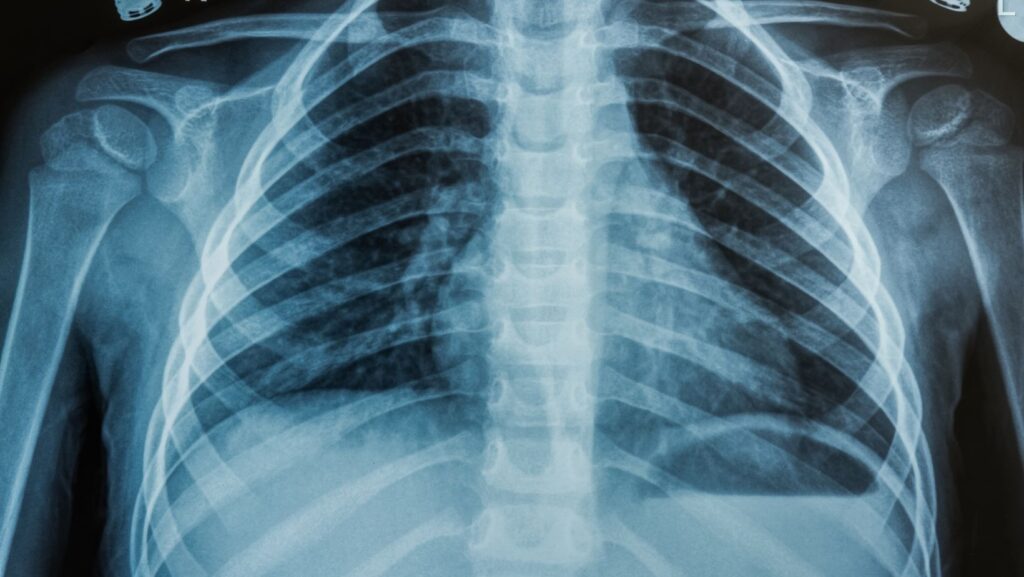
Bone health is often overlooked until later in life, but early detection is one of the best forms of prevention. Because DEXA was originally developed as a bone densitometry tool, it provides highly accurate insight into bone mineral density (BMD).
Guidance from the World Health Organization (WHO) reinforces how bone density and muscle mass interact to influence aging outcomes. Their data shows that declines in bone mineral density and loss of muscle mass commonly occur together, accelerating frailty and impacting overall quality of life: https://www.who.int/news-room/fact-sheets/detail/ageing-and-health
With that in mind, tracking bone trends with DEXA—especially for women, athletes, and individuals with family history of osteopenia—can be critical for early intervention.
Why People Are Turning Toward Data-Driven Wellness
The era of generalized fitness advice is shifting toward personalized, measurable strategies. People want more than “eat better and exercise more”—they want clarity, precision, and milestones grounded in data.
DEXA fits into this shift by offering:
- A complete breakdown of body composition
- Trends over time rather than one-off snapshots
- Objective markers for training and nutrition decisions
- Better health risk assessment through visceral fat analysis
- Bone density monitoring and early detection opportunities
When paired with resting metabolic rate (RMR) testing or VO₂ Max assessments, individuals get a comprehensive blueprint of how their body performs and responds to change.
Frequently Asked Questions
Is a DEXA scan safe?
Yes. DEXA uses very low-dose X-ray beams—far below the radiation of a chest X-ray and similar to everyday background exposure.
How often should I get tested?
Every 3–4 months is ideal to track trends without over-testing.
Does hydration or time of day matter?
Yes, consistency matters. Testing under similar conditions each time improves accuracy.
What can a DEXA scan show that a scale cannot?
Regional fat and lean mass, symmetry, visceral fat, bone density, and precise body composition—none of which a scale can capture accurately.
Who benefits most?
Athletes, individuals tracking fat loss or muscle gain, people monitoring bone health, and anyone who wants data-driven guidance instead of guesswork.
