


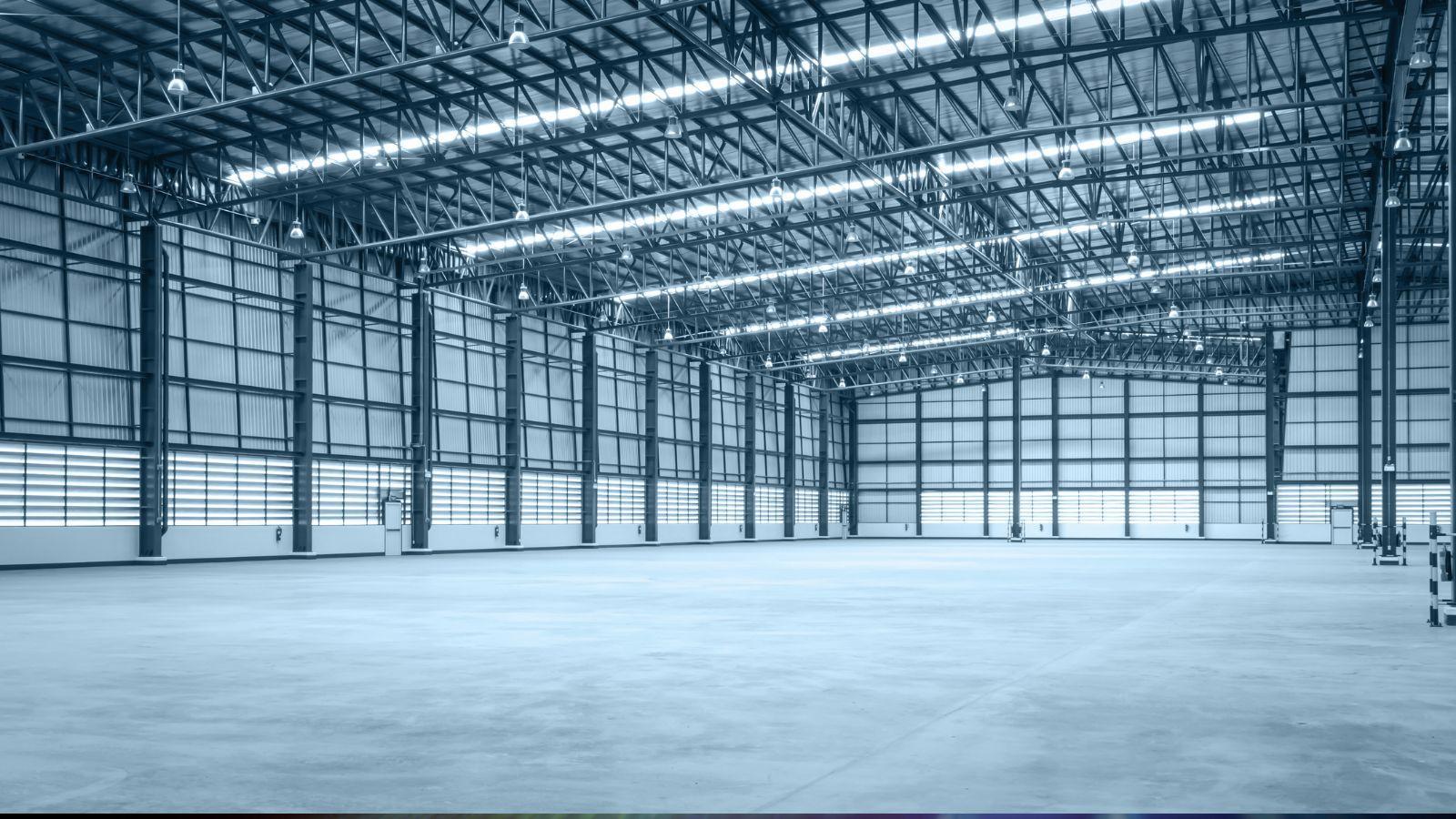
Warehouse owners need space that stays stable under heavy use, changing weather, and constant equipment traffic. Traditional construction can work well, yet it may introduce maintenance and layout limits over time. Steel warehouse design focuses on strength, flexibility, and operational efficiency.
Many operators choose commercial steel buildings because they deliver predictable performance and clear structural capacity. Steel systems support wide spans, durable shells, and efficient expansion planning for growing operations. The advantages below highlight where steel warehouses tend to outperform traditional structures.
1. Clear-Span Space That Improves Workflow
Open interiors change how a warehouse functions day to day. Fewer columns mean fewer collisions. The points below show how clear spans improve operations.
- Wider aisles that support safer forklift movement and cleaner traffic patterns
- Flexible racking layouts that maximize storage density without structural interference
- Easier equipment placement for conveyors, staging zones, and work cells
- Better line-of-sight across the floor for safety monitoring and supervision
Clear spans also simplify future layout changes as inventory needs evolve. Operations teams can reconfigure zones without structural limitations. This flexibility supports higher productivity and smoother daily flow.
2. Stronger Structural Performance Under Heavy Loads
Steel frames provide engineered load paths that handle roof loads and equipment demands with predictable strength. This matters when warehouses support rooftop units, overhead doors, or heavier storage systems. Strong structural alignment also protects doors, docks, and wall panels from shifting.
Traditional materials can move with moisture and time, which affects alignment and long-term performance. Steel remains stable and resists rot and pest damage that weaken structural components. That stability helps owners avoid recurring repairs tied to gradual deformation.
3. Faster Build Schedules and Predictable Project Control
Project speed influences cost because every extra week adds labor, rentals, and site overhead. Prefabricated steel components simplify assembly and reduce on-site fabrication needs. This schedule control can help owners reach occupancy goals sooner.
Time savings also reduce weather exposure during construction, which protects interior work and finishes. A predictable timeline helps coordinate electrical, fire systems, and dock installation with fewer disruptions. Reliable sequencing supports better budget control and less downtime for future tenants.
4. Lower Long-Term Maintenance and Better Durability
Maintenance becomes a major cost driver over the life of a warehouse. Steel resists common damage sources. The points below show where steel durability reduces upkeep.
- No rot or termite damage that can compromise structural framing over time
- Coated panels that resist corrosion and surface breakdown in harsh climates
- Stable alignment that keeps doors and dock seals functioning smoothly
- Simple component replacement without major demolition or rebuild work
Lower maintenance also supports better uptime for operations that run on tight schedules. Fewer repairs mean fewer interruptions to inventory movement and shipping timelines. This advantage improves long-term operating consistency.
5. Easier Expansion and Higher Asset Flexibility
Warehouses rarely stay the same for long, especially as product lines and demand change. Steel systems support expansion planning through added bays and extended clear spans. This makes growth easier without rebuilding the entire facility.
Many owners choose commercial steel buildings because they support long-term asset flexibility. A steel warehouse can adapt to new tenants, new equipment, or new storage strategies with fewer structural changes. That adaptability protects resale value and supports future operational shifts.
Steel building warehouses outperform traditional warehouses through clear-span layouts, strong load performance, and simpler long-term ownership. Faster build schedules and lower maintenance help protect operating budgets and reduce disruption. For owners focused on growth and stability, steel offers a practical advantage that lasts.