

If you’ve been on Roblox for more than five minutes, you’ve probably heard of Builderman. That friendly face who welcomed millions of players to the platform, the avatar that became synonymous with Roblox itself, and the account that sparked countless theories, memes, and late-night debates about whether he was actually watching you play. But who is Builderman, really? And why did the account that defined an entire generation of Roblox players suddenly go quiet?
The story of roblox builderman isn’t just about one account, it’s about the evolution of the platform, the face of a billion-dollar company, and a piece of gaming history that newer players might not fully understand. Whether you’re a veteran who remembers getting that first friend request or a newer player wondering why everyone talks about this mysterious figure, this guide breaks down everything you need to know about Builderman in 2026.
Key Takeaways
- Builderman is the original avatar account of David Baszucki, Roblox’s co-founder and CEO, created in 2006 to welcome millions of new players to the platform as a symbol of accessibility and community-first philosophy.
- Every player who joined Roblox between 2006 and 2016 received an automatic friend request and welcome message from Builderman, creating an emotional connection that made new users feel personally welcomed by the platform’s creator.
- The transition from the Builderman account to David.Baszucki in February 2016 reflected Roblox’s maturation from a scrappy startup into a professionally-managed, publicly-traded corporation preparing for massive global expansion.
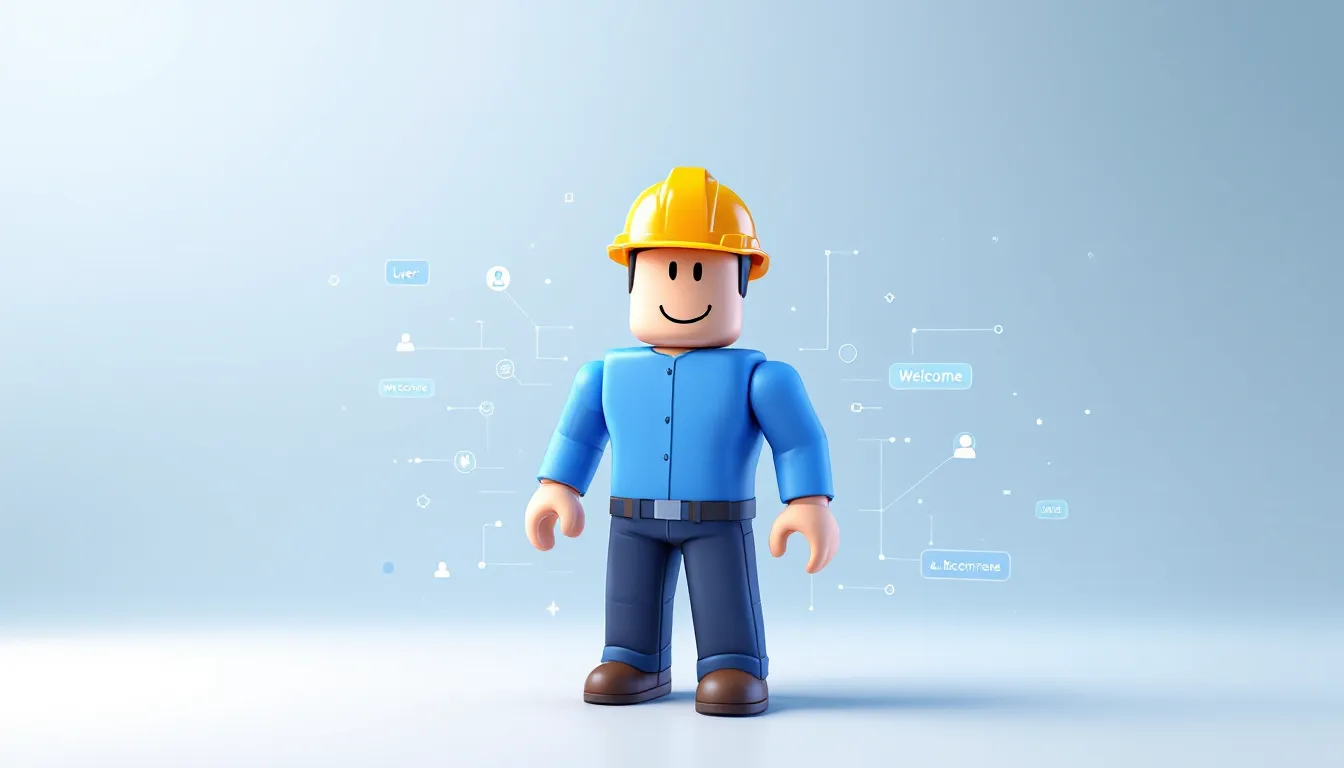
- Builderman’s iconic simple appearance—yellow hard hat, blue shirt, dark pants, and classic blocky avatar—was deliberately humble and achievable by every player, reinforcing the message that anyone could be a builder regardless of status.
- Despite being inactive for nearly a decade, Builderman remains a cultural cornerstone of Roblox history, symbolizing an era when the platform emphasized user-generated creativity, accessibility, and the belief that the CEO genuinely cared about every player’s experience.
Who Is Builderman in Roblox?
Builderman is the original avatar account of David Baszucki, the co-founder and CEO of Roblox Corporation. Created in 2006 alongside the platform’s public launch, Builderman served as the public face and welcoming figure for Roblox during its formative years. The account wasn’t just a personal profile, it became an integral part of the new user experience, greeting every single player who joined the platform.
For years, Builderman represented Roblox’s community-first philosophy. The account had administrative privileges, appeared in promotional materials, and became the first friend of virtually every player who signed up between 2006 and the mid-2010s. That automatic friend connection made Builderman more than just another user, it made him a universal constant in the Roblox experience.
The Real Person Behind Builderman
David Baszucki is the human behind the Builderman avatar. Born in 1963, Baszucki is a Canadian-American entrepreneur and engineer who co-founded Roblox Corporation (originally Knowledge Revolution) with Erik Cassel in 2004. The platform launched publicly in September 2006, and Builderman became Baszucki’s primary account from day one.
Baszucki’s background in physics simulation and educational software directly influenced Roblox’s design philosophy. Before Roblox, he created Interactive Physics, a 2D physics simulation that helped students visualize complex concepts. That same principle, empowering people to learn through creation, became the foundation of Roblox’s mission to enable imagination and bring people together.
The Builderman persona was deliberately approachable and optimistic, reflecting Baszucki’s vision for a positive, creative community. While he wasn’t involved in day-to-day moderation or game development, Builderman’s presence symbolized leadership and accessibility. Players felt like the CEO was actually there, part of the community, not hidden behind corporate walls.
Builderman vs. David.Baszucki: What’s the Difference?
In February 2016, Roblox introduced a new account: David.Baszucki. This wasn’t a replacement at first, it was a secondary profile that Baszucki began using more frequently for official communications, community events, and platform updates. The transition confused many players, especially those who’d grown up seeing Builderman as the definitive Baszucki account.
Here’s the functional difference: Builderman remained the legacy account, still listed as a friend on millions of older profiles but largely inactive. David.Baszucki became the active administrative account, the one that attended virtual events, posted announcements, and engaged with the community in 2016 and beyond.
By 2017, the transition was essentially complete. Builderman’s profile stopped receiving updates, and David.Baszucki took over all official duties. The Builderman account wasn’t deleted or banned, it just went dormant, frozen in time as a relic of Roblox’s early era. If you check Builderman’s profile today in 2026, you’ll see it’s still there, still friends with millions of players, but last active years ago.
The name change also reflected Roblox’s maturation as a company. “Builderman” felt whimsical and informal, perfect for a scrappy startup. “David.Baszucki” was more professional, appropriate for a platform that had grown into a publicly traded corporation with over 200 million monthly active users by the mid-2020s.
The History and Evolution of Builderman
Understanding Builderman means understanding the timeline of Roblox itself. The account wasn’t just a user profile, it was a marketing strategy, a community anchor, and eventually, a nostalgic symbol of a bygone era.
Early Days: Builderman’s Role in Roblox’s Launch (2006-2012)
When Roblox officially launched on September 1, 2006, Builderman was there from the start. The platform had fewer than 100 concurrent users in those first weeks, and Baszucki actively used the account to interact with early adopters, test features, and troubleshoot bugs. Back then, Roblox was far from the juggernaut it is today, it was a small community of builders, scripters, and curious kids experimenting with blocky avatars and rudimentary physics.
One of Builderman’s most iconic roles was the automatic welcome message. Every new player received a friend request and a message from Builderman, usually saying something like, “Welcome to Roblox. Have fun building and playing games.” This wasn’t a generic bot message, it was a deliberate design choice to make new users feel welcomed by the platform’s creator. For millions of players, that message was their first interaction with Roblox culture.
During this period, Builderman also participated in community events, visited user-created games, and occasionally left comments or feedback on popular creations. The account had a Classic Roblox look: simple clothing, the signature hard hat, and an unassuming avatar that anyone could recreate. This accessibility was intentional, Builderman didn’t look like a corporate suit or an untouchable admin. He looked like a builder, just like everyone else.
By 2012, Roblox had grown to over 10 million registered users, and Builderman’s presence had become a cornerstone of the platform’s identity. The account appeared in promotional videos, blog posts, and even merchandise. For a generation of players, Builderman was Roblox.
The Transition to David.Baszucki and Why It Happened
The shift from Builderman to David.Baszucki wasn’t sudden, but it was deliberate. As Roblox scaled in the mid-2010s, the company faced a branding challenge: how do you maintain the scrappy, community-driven feel of a startup while professionalizing for investors, advertisers, and mainstream media?
In February 2016, the David.Baszucki account was created and gradually took over Builderman’s responsibilities. The official reasoning was never explicitly stated, but the subtext was clear. Roblox was preparing for massive growth, an IPO, partnerships with major brands, and expansion into mobile and console markets. “Builderman” sounded like a username a 12-year-old would pick. “David.Baszucki” sounded like a CEO.
The transition also coincided with changes to Roblox’s new user experience. Automatic friend requests from Builderman were phased out, replaced by tutorials and onboarding flows that didn’t rely on a single iconic account. By 2017, new players no longer received that welcome message, and Builderman’s last login faded into the past.
Some players speculated that the shift was also about security and account management. As Roblox’s value skyrocketed, having the CEO’s primary account be a legacy profile from 2006, potentially with outdated security protocols, may have posed risks. Creating a new, more secure account under his real name made sense from an administrative perspective.
By 2020, Builderman was fully retired from active use. The account still exists, still holds its friend count, and still wears that iconic outfit, but it’s a museum piece now, not a living part of the platform.
Why Builderman Became a Roblox Legend
Plenty of game developers have public-facing accounts. So why did Builderman achieve legendary status while others faded into obscurity? The answer lies in timing, consistency, and the emotional connection millions of players formed with that first welcome message.
The Welcome Messages That Every Player Remembers
If you joined Roblox between 2006 and roughly 2016, you got a friend request and message from Builderman. That message was short, friendly, and personal, even though it was automated. For many players, especially younger ones, it felt like the person who made Roblox cared enough to say hello.
This wasn’t just clever marketing, it was brilliant community design. By making Builderman the first friend every player had, Roblox created an instant sense of belonging. You weren’t just downloading a game: you were joining a community where even the founder welcomed you personally.
Those messages are still accessible on older accounts today. Players who joined in the late 2000s or early 2010s can scroll through their message history and find that original Builderman welcome sitting there, a time capsule from Roblox’s scrappier days. It’s become a badge of honor among veteran players, proof that you were there when the platform was still figuring itself out.
The emotional weight of that message can’t be overstated. For kids growing up in the late 2000s, Roblox was often their first online community, their first creative outlet, and their first exposure to game development. Builderman’s welcome wasn’t just text on a screen, it was permission to build, to experiment, to fail, and to try again.
Builderman’s Impact on Roblox Culture and Community
Beyond the welcome messages, Builderman became a symbol of Roblox’s core values: creativity, accessibility, and community. The account never flaunted admin powers, never appeared in flashy limited-edition gear, and never distanced itself from regular players. Builderman looked like someone who could’ve been your friend, your teammate, or the creator of that janky obby you played after school.
This accessibility fostered a culture where players felt empowered to create. If the CEO’s avatar looked like yours, why couldn’t you build the next hit game? That egalitarian ethos, the idea that anyone with imagination and persistence could succeed, became central to Roblox’s identity, and Builderman embodied it.
Builderman also became a meme factory. The “Builderman is watching you” jokes, the conspiracy theories about hidden admin powers, the photoshopped images of Builderman in random games, these weren’t official marketing campaigns. They were organic expressions of a community that genuinely cared about this digital figure. Memes are how internet culture shows affection, and Builderman got memed hard.
Even after the account went inactive, Builderman’s legacy persisted. Veteran players name-drop him in YouTube videos, Discord servers, and Reddit threads as shorthand for “the good old days.” Newer players who never got that welcome message still recognize the name and the outfit, passed down through community lore. That’s cultural staying power.
Builderman’s Avatar: Design, Items, and Iconic Look
Part of Builderman’s charm was his simplicity. In a platform where players constantly chase limited items, flashy accessories, and expensive bundles, Builderman’s avatar remained refreshingly basic. It was the visual equivalent of “I’m just here to build.”
The Classic Builderman Outfit Breakdown
Builderman’s classic look consisted of:
- Hard Hat (Yellow): The signature item, symbolizing construction and creation. This was a free item for years, making it accessible to everyone.
- Blue Shirt: A plain, solid-color shirt with no logos or designs.
- Dark Pants: Simple, functional, unremarkable.
- Classic Roblox Avatar: The original blocky body style, no advanced meshes or animations.
That’s it. No wings, no auras, no limited faces worth thousands of Robux. Builderman’s outfit cost virtually nothing to replicate, and that was the point. He wasn’t flexing, he was representing the everyman builder.
The hard hat became especially iconic. In Roblox’s early days, it was the de facto symbol of the platform’s building ethos. Wearing a hard hat meant you were a creator, a developer, someone who contributed to the ecosystem. Builderman’s consistent use of it reinforced that identity.
How to Dress Like Builderman in 2026
Want to channel that classic Builderman aesthetic in 2026? Here’s how:
- Avatar Style: Switch to the Classic (R6) body in your avatar settings. Builderman predates Rthro and modern articulated avatars.
- Hard Hat: Search the Avatar Shop for “Yellow Hard Hat.” There are multiple versions, but the free or low-cost ones are closest to the original.
- Blue Shirt: Create a custom shirt with a solid blue color, or search for “plain blue shirt” in the catalog.
- Pants: Find simple dark or gray pants, nothing fancy, no patterns.
- Face: Use the classic Roblox smile face (often called “Smile” in the catalog).
Total cost? Usually under 50 Robux if you don’t already own these items, and many are free. The simplicity is the point, you’re not copying a limited-edition flex, you’re honoring a legacy.
Many communities on platforms like Nexus Mods focus on recreating classic gaming aesthetics, though Roblox’s in-platform tools make it easy to nail the Builderman look without external resources. Some players even host “Builderman cosplay” events in popular games, where everyone dresses up and builds together, a nostalgic nod to the platform’s roots.
How to Friend or Follow Builderman on Roblox
One of the most common questions from newer players: Can you still add Builderman as a friend in 2026? The answer is more complicated than a simple yes or no.
Can You Still Friend Builderman Today?
As of 2026, Builderman’s friend list is full. Roblox accounts have a maximum friend limit of 200 (though this has been adjusted over the years for certain accounts). Builderman’s list filled up long ago with a mix of early Roblox employees, testers, and a handful of community members who got in before the floodgates opened.
If you joined Roblox before roughly 2016, there’s a chance Builderman is already on your friend list, those automatic friend requests meant millions of players were added. If you weren’t around during that era, you can’t send a new friend request because the account’s list is full and no longer accepts new friends.
But, you can follow Builderman. Roblox introduced the “Follow” feature in 2014, allowing users to keep up with accounts even without a reciprocal friendship. To follow Builderman:
- Search for “Builderman” in the Roblox search bar.
- Click on the profile.
- Hit the “Follow” button (if you’re not already friends).
Following doesn’t grant you the same access as being friends, you won’t see private games or get status updates, but it’s the closest you can get in 2026.
Exploring Builderman’s Profile and Activity Status
Builderman’s profile in 2026 is a time capsule. The account hasn’t logged in for years, and the profile page reflects that dormancy. Here’s what you’ll find:
- Status: Last seen several years ago (exact date varies by when Roblox last updated profile displays).
- Friends: 200, mostly legacy accounts and early staff members.
- Followers: Millions. The follow count continues to grow as new players discover the account.
- Games: A few very old, basic test games, nothing playable by modern standards.
- Badges: Minimal. Builderman wasn’t a badge hunter.
- Groups: Builderman was in a handful of official Roblox groups, most of which are now archived or inactive.
The profile’s simplicity is striking compared to modern power users with thousands of badges, hundreds of games, and elaborate profile customizations. Builderman’s page looks exactly like it did in the early 2010s, frozen in amber.
Some players treat visiting Builderman’s profile like a pilgrimage. It’s a reminder of how far Roblox has come and how much has changed. The lack of activity is bittersweet, it marks the end of an era, but it also preserves that era perfectly.
Builderman’s Games and Creations on Roblox
Given that Builderman was the CEO’s account, you’d expect a portfolio of groundbreaking games, right? Not quite. Builderman’s game library is surprisingly sparse and humble, reflecting the account’s role as a community figure rather than a hardcore developer.
Builderman’s profile lists a handful of games created in the mid-to-late 2000s, most of which were test environments or experimental builds. These weren’t polished experiences, they were proof-of-concept projects, places where Baszucki and the early Roblox team tested physics, scripting, and gameplay mechanics. Many of these games are no longer playable in 2026 due to outdated code, broken scripts, or removal during Roblox’s various platform updates.
One of the more well-known Builderman creations was a simple obstacle course (obby) from 2007. It wasn’t sophisticated by any standard, but it demonstrated the core loop of Roblox gameplay: navigate a challenge, respawn if you fail, try again. That obby is still referenced in community discussions as an example of Roblox’s DIY ethos, even the CEO’s games were rough around the edges.
Builderman also appeared in several official Roblox events and promotional games, though these were typically collaborations with the dev team rather than solo projects. His avatar would show up in event spaces, sometimes as an NPC, sometimes as a playable character model. These appearances were always a big deal for the community, generating hype and speculation about what Builderman’s “real” game might be.
The truth is, Builderman was never meant to be a prolific game creator. The account’s value was symbolic, it represented the potential of every player to create something, not the polished output of a professional dev team. Many guides on platforms specializing in game walkthroughs and tier lists focus on high-level play, but Builderman’s legacy is about lowering the barrier to entry, not raising the skill ceiling.
If you’re hunting for methods to expand your own Roblox creative toolkit, resources discussing APK Roblox Free Robux options often intersect with the broader creator economy, though caution and awareness of platform terms of service are essential.
Builderman’s game library is less about what he built and more about what he inspired millions of others to build. That’s a legacy no single game could match.
Myths, Rumors, and Fun Facts About Builderman
No iconic gaming figure escapes without a mountain of myths, conspiracy theories, and urban legends. Builderman is no exception. Let’s separate fact from fiction and jump into the weirdest corners of Builderman lore.
The ‘Builderman Is Watching You’ Meme
One of the most persistent memes in Roblox history is the idea that Builderman is always watching you. This joke originated from Builderman’s omnipresence in the early platform, since every player had him as a friend, it felt like he was always there, silently observing your terrible obby attempts or your janky combat game.
The meme evolved into creepypasta-style stories where players claimed Builderman’s avatar would appear in their games uninvited, stare at them, and then disappear. These stories were obviously fabricated, but they tapped into a real sense of unease: having the CEO’s account on your friend list felt surreal, almost like being watched by a benevolent (but omnipotent) digital god.
Some players took it further, claiming Builderman had secret admin powers that allowed him to invisibly join any server, ban any player, or manipulate game code in real-time. While Roblox admins do have special privileges, there’s no evidence Builderman (or David.Baszucki) ever used them for anything beyond routine moderation or testing.
The “Builderman is watching” joke remains popular in 2026, often appearing in YouTube thumbnails, TikTok skits, and Discord memes. It’s a testament to how deeply the account embedded itself in Roblox culture, even inactive, Builderman looms large.
Did Builderman Really Send Personal Messages?
This is the big question: Were Builderman’s welcome messages automated, or did David Baszucki actually type them out for early users?
The answer: It depends on the era. In Roblox’s earliest days (2006-2007), when the user base was tiny, Baszucki likely did send some personal messages to new players, testers, and community members. Several veteran players have shared screenshots of old messages that include specific references to their games or feedback, suggesting human input.
But, as Roblox scaled into the hundreds of thousands and then millions of users, manual messaging became impossible. By 2008-2009, the welcome messages were fully automated, triggered whenever a new account was created. The text was generic but warm, maintaining the illusion of personal attention even as the system scaled.
There are also stories of Builderman responding to player messages in the early 2010s, though these are harder to verify. Some players claim they received replies to questions or bug reports sent to Builderman, while others say their messages went unanswered. It’s possible that Roblox staff occasionally monitored the Builderman inbox and responded to high-priority issues, but by 2012, the volume was too high for meaningful interaction.
One fun fact: several early Roblox developers have confirmed that Baszucki used the Builderman account to playtest games and give feedback internally. So while he wasn’t replying to every fan message, he was actively using the account as a working tool, not just a mascot.
Another quirky detail, many early players discovered tricks with Roblox promo codes by following official accounts like Builderman, similar to how communities today track Roblox promo codes for free items.
Builderman’s Legacy in Modern Roblox (2026)
It’s been nearly a decade since Builderman was an active account, yet the name still resonates. What does Builderman mean to Roblox in 2026, and why does the legacy persist even as the platform evolves?
Nostalgia is a powerful force in gaming. Veteran players who joined Roblox in the late 2000s or early 2010s are now adults, many with disposable income and a desire to reconnect with their childhoods. Builderman represents that era, the scrappy, pre-corporate Roblox where anything felt possible and the CEO was “just one of the builders.”
Roblox Corporation has leaned into this nostalgia at times, referencing Builderman in anniversary events, throwback cosmetics, and retrospective blog posts. While David.Baszucki is the active public figure, Builderman remains the emotional anchor, the symbol of Roblox’s origins.
In 2026, Roblox is a vastly different platform. It’s a publicly traded company valued in the tens of billions, a metaverse contender, and a serious competitor in the social gaming space. The scrappy startup vibe is long gone, replaced by polished UX, branded partnerships, and advanced moderation AI. Builderman feels quaint by comparison, a relic from a simpler time.
Yet that simplicity is precisely why the legacy endures. In an era of hypermonetization, algorithmic feeds, and corporate-speak, Builderman stands for something more earnest: a platform built by people who genuinely wanted to empower creativity. Whether that idealism was ever fully realized is debatable, but the symbol of Builderman keeps it alive.
New players in 2026 often stumble across Builderman through YouTube videos, Reddit threads, or friend recommendations. They see the hard hat, the old-school avatar, the millions of followers, and they ask: “Who is this?” The answer, a story about a CEO who wanted to welcome every player personally, still resonates, even if they never got that message themselves.
Builderman’s profile continues to gain followers every month, a strange digital afterlife where an inactive account accrues millions of connections. It’s a monument, a memorial, and a reminder that behind every platform, there were people who believed in something.
Some players exploring older Roblox features or seeking alternative methods to enhance their experience might reference Roblox mod menus, though such tools come with significant risks. Similarly, discussions around accessing resources like Roblox promo codes reflect ongoing interest in Roblox’s reward systems, much of which Builderman’s era helped establish.
Resources covering how-to articles and guides for various games often highlight the importance of understanding a game’s history and community culture, which is exactly what Builderman represents for Roblox, a foundational piece of the platform’s identity that newer players should understand to fully appreciate where Roblox came from.
In many ways, Builderman’s greatest achievement wasn’t the games he built or the messages he sent, it was creating a feeling. The feeling that someone at the top cared about you, that your creativity mattered, and that Roblox was a place where anyone could belong. That feeling is Builderman’s true legacy, and it’s why the name still matters in 2026.
Conclusion
Builderman isn’t just a Roblox account, he’s a chapter in gaming history. From the early days of welcoming millions of new players to the gradual transition to David.Baszucki, the Builderman persona defined an era when Roblox was still finding its identity. The hard hat, the simple avatar, the automated-but-heartfelt messages, they all contributed to a sense that Roblox was built by its community, not just for it.
In 2026, Builderman’s profile sits dormant, a digital monument visited by nostalgic veterans and curious newcomers alike. The account may no longer be active, but its influence is everywhere: in the platform’s emphasis on user-generated content, in the community’s DIY ethos, and in the collective memory of millions of players who got that first friend request and felt, for a moment, like they mattered.
Whether you’re a longtime fan revisiting the classics or a new player trying to understand what all the fuss is about, Builderman’s story is worth knowing. It’s a reminder that even the biggest platforms started small, that accessibility and creativity were once radical ideas, and that sometimes, the simplest gestures, like a welcome message from a guy in a hard hat, can leave the biggest impact.