


Opening a cottage in spring is rarely as simple as unlocking the door and switching on the lights. After months of cold weather, the electrical system, water pump, refrigerator, and other equipment may all need attention. Closing the property in autumn presents a different challenge because batteries and electrical devices must be prepared for months of inactivity.
A clear power plan can make both jobs safer and more efficient, especially at cottages where grid service is unreliable or unavailable.
Inspect the Cottage Before Restoring Power
Before turning on the main electrical supply, walk through the property and look for signs of damage. Check for moisture near outlets, exposed wiring, damaged extension cords, and evidence that animals have reached electrical equipment.
If water has entered the building or any wiring appears damaged, leave the affected circuit off until a qualified professional can inspect it.
Restore power gradually once the property appears safe. Begin with lighting and a few essential circuits. Avoid switching on the water pump, refrigerator, electric tools, and cooking appliances at the same time. Starting one system at a time makes it easier to identify a fault or overloaded circuit.
At an off grid cottage, inspect battery connections, solar cables, charge controllers, and other components before starting the main system.
Match the Power Supply to Essential Equipment
Rather than trying to power everything in the cottage, start with the devices that matter most.
These may include:
- A water pump
- A refrigerator
- Basic lighting
- Phones and communication equipment
- An internet router
- Medical equipment
- Tools needed for urgent repairs
Write down the rated wattage of each device and estimate how long it will need to operate. A simple calculation provides a useful starting point:
Device wattage × operating hours = estimated watt hours
For example, a 50 watt light used for four hours requires about 200 watt hours. Actual energy use may be higher because of inverter losses, temperature, and changes in how the device operates.
Output power also matters. Appliances with motors or compressors may require extra power when they start. A refrigerator, pump, or power tool might run normally on a moderate amount of electricity but briefly draw much more at startup.
The power source must therefore provide enough stored energy and enough output for the highest expected load. Leave some capacity in reserve for unexpected delays, poor weather, or an additional night at the cottage.
Set Up Temporary Power Where Work Is Happening
Some parts of the cottage may not be ready to use when you arrive. You might need electricity in a shed, near the dock, beside the water system, or in a room where the outlets have not yet been inspected.
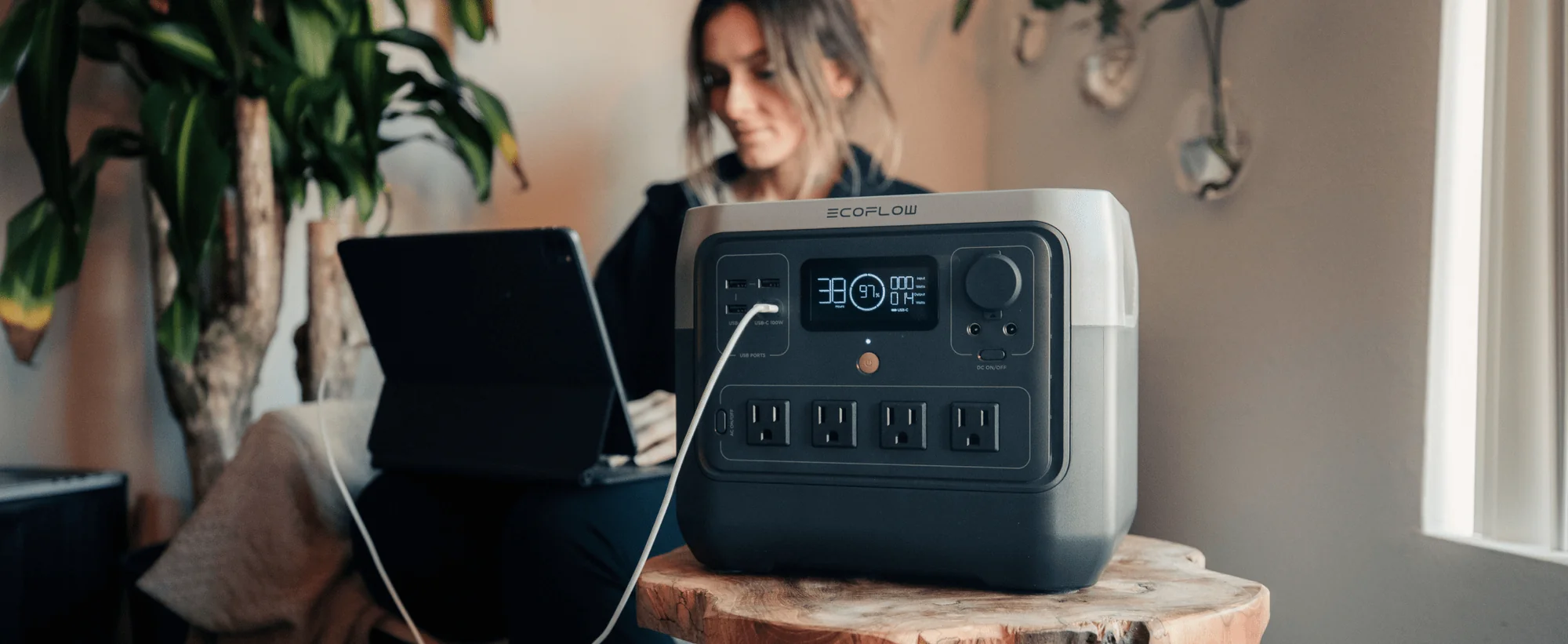
Running long extension cords across wet ground or busy walkways can create unnecessary hazards. A portable power station can provide temporary electricity closer to the work area. It may be used for task lighting, charging cordless tools, operating communication devices, or powering selected appliances within its rated limits.
Place the unit on a dry and stable surface with adequate airflow. Protect it from rain, standing water, and impact. Always follow the manufacturer’s instructions for operating temperature, charging, ventilation, and maximum output.
Before connecting an appliance, check both its normal wattage and possible startup demand. If the information is unclear, test the appliance at home under controlled conditions before relying on it at the cottage.
Prepare and Test More Than One Charging Option
Remote properties should not depend on a single charging method. Grid power may be available when you arrive, but a storm or local equipment problem could interrupt service. Solar charging can be useful, although its output will vary with cloud cover, shade, panel position, and the season.
Depending on the equipment and location, charging options may include:
- A household wall outlet
- Compatible portable solar panels
- Approved vehicle charging equipment
- An appropriately installed generator
Prepare the system before leaving home. Charge the battery, inspect the cables, and confirm that all required adapters are packed. Keep the accessories together in a labelled, water resistant container.
Test the devices you expect to use, particularly the refrigerator, pump, and larger tools. Try them individually before testing a realistic combination of loads. Watch the power display to see how much electricity each device draws and how the estimated remaining runtime changes.
This short test provides more useful information than relying only on appliance labels. It can also reveal a damaged cable, missing adapter, or unexpected startup load while replacement equipment is still easy to obtain.
Plan for Cold Canadian Conditions
Spring and autumn temperatures can change quickly, particularly at cottages near lakes or in northern regions. A mild afternoon can be followed by a night below freezing.
Low temperatures can affect battery output and charging. If a power station has been stored in a cold vehicle, do not begin charging it immediately without checking the manufacturer’s temperature guidance. Allow the unit to reach a suitable temperature if required.
Keep the battery in a sheltered, dry location while it is operating. Do not place it directly beside a wood stove, portable heater, or another strong heat source.
Electric space heaters also require careful planning. Their high and continuous power demand can drain a battery much faster than lights, phones, or a router. Cottage heating should have its own safe and properly installed solution. Working smoke and carbon monoxide alarms remain essential whenever combustion based heating equipment is used.
Give Critical Devices Priority
During cottage opening, the water pump and refrigerator often need more attention than comfort appliances.
Inspect the plumbing before running the pump. A leak or open drain can waste both water and stored electricity. When restarting the refrigerator, let it cool before filling it with food. If backup capacity is limited, avoid running high demand cooking equipment while the pump or refrigerator compressor is starting.
Phones and communication equipment should also receive priority at a remote property. Charge them early rather than waiting until the main battery is nearly empty. A small reserve dedicated to communication can be valuable if weather conditions change or a repair takes longer than planned.
Store Power Equipment Properly in Autumn
Before leaving the cottage for winter, inspect the power equipment again. Look for damaged connectors, moisture, dust, or signs of overheating. Clean the unit according to the manufacturer’s instructions and disconnect accessories that do not need to remain attached.
Follow the recommended storage charge level instead of assuming that fully charged or completely empty is best. Store the equipment in a dry location within the specified temperature range. It should also be protected from pests and possible water intrusion.
Some batteries require periodic checks during long storage. Add those dates to a calendar rather than relying on memory. If the cottage will remain unheated, confirm whether the expected indoor temperature is suitable for the equipment. Otherwise, take the battery to a more appropriate storage location.
Final Thoughts
Reliable cottage power starts with a short list of priorities. Inspect the property, calculate the needs of essential devices, test the equipment before travelling, and keep more than one charging option available.
The goal is not to run every appliance at once. It is to keep the systems that matter working while the cottage is being opened, maintained, or prepared for winter. A focused plan makes better use of available battery capacity and reduces the chance that a small electrical problem will disrupt the entire trip.