


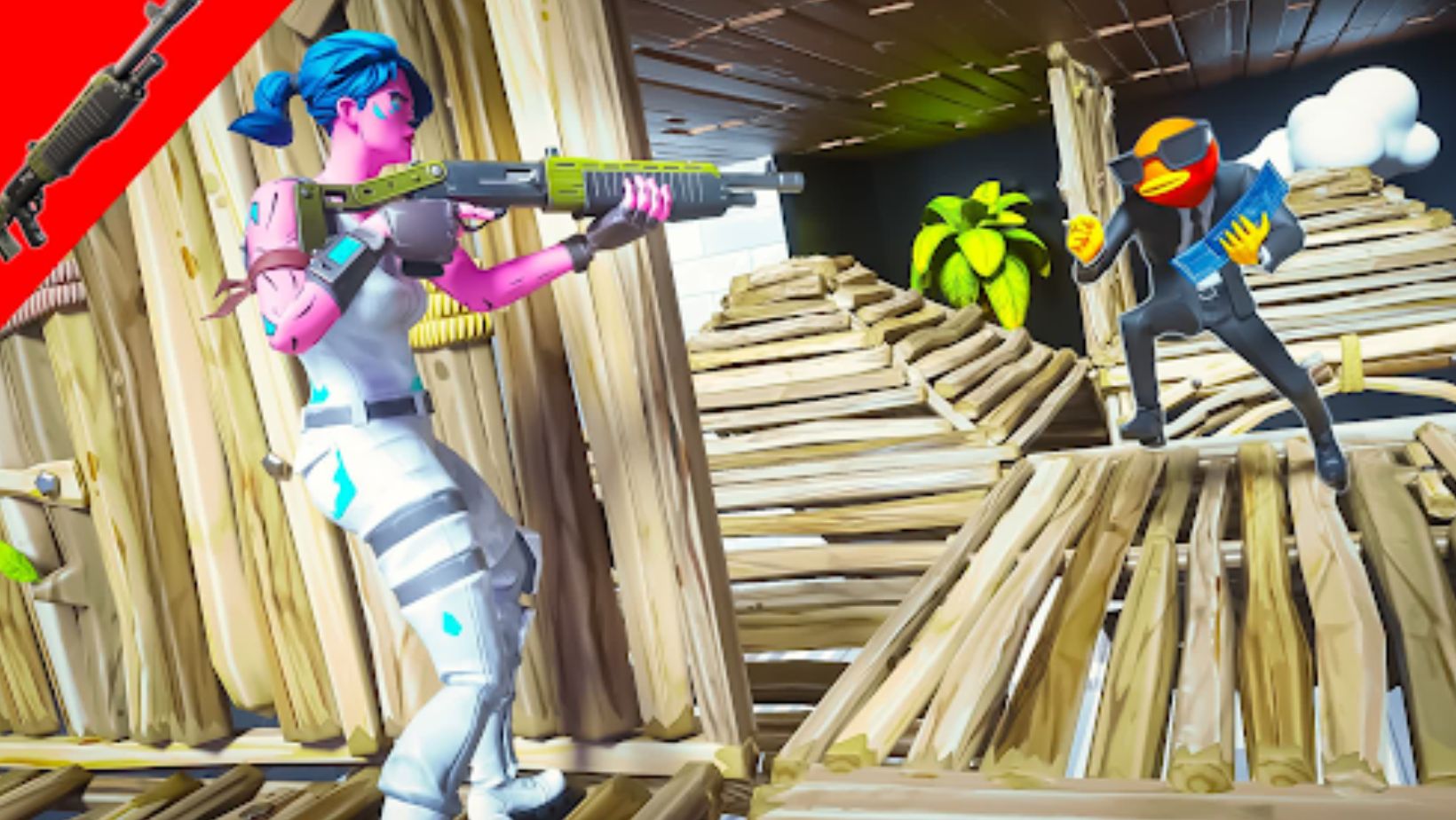
The storm is closing. You’re face-to-face with an opponent in a 1×1 box. No high ground advantage. No escape route. Just pure mechanical skill, game sense, and whoever can outplay the other in this claustrophobic concrete cage. This is a box fight—Fortnite’s purest test of building, editing, and shooting mechanics compressed into seconds of intense combat.
Box fighting has become Fortnite’s fundamental skill check. Whether you’re grinding ranked on your main or practicing mechanics on secondary accounts, mastering box fights is non-negotiable for competitive success. The players who dominate these exchanges win tournaments. The players who struggle get eliminated early and wonder why they can’t break through to higher ranks.
Some frustrated players consider shortcuts like looking for fortnite accounts for sale at higher ranks, hoping to skip the grind. But box fighting is pure skill expression—no amount of purchased rank can compensate for poor mechanics when you’re trapped in a box with an opponent who knows what they’re doing. You need to master these fundamentals.
Understanding Box Fight Fundamentals
Box fights aren’t random chaos. They follow predictable patterns based on piece control, timing, and psychological pressure. Understanding the underlying structure transforms them from frantic button-mashing to calculated exchanges.
The Three Phases of Box Fighting:
Phase 1 – Piece Control: Who controls which builds? Walls, cones, floors, and ramps are real estate. Controlling more pieces means more options and safety.
Phase 2 – Opening Creation: Someone needs to create an opening through edits, wall replacements, or explosive pressure. This is where mechanical skill shines.
Phase 3 – Damage Execution: Once an opening exists, you need to land your shot and immediately protect yourself before the counter-attack.
Most players lose box fights not because they can’t shoot, but because they fail Phase 1 (losing piece control) or Phase 2 (creating bad openings or falling for opponent’s bait).
Piece Control: The Foundation
Box fighting is chess with shotguns. Controlling key pieces determines who has the advantage before a single shot is fired.
Wall Control: The wall between you and your opponent is the most contested piece in box fights. Whoever controls it dictates the pace. If you control it, you decide when to edit and engage. If they control it, you’re defensive and reactive.
Taking Walls: When facing an opponent’s wall, you need to force them to replace it, then steal it during the brief window when they’re pulling out their build menu. The technique:
- Shoot or pickaxe their wall until it breaks
- Immediately press your wall bind before they can replace
- If you’re too slow, repeat—timing is everything
Better players use “wall replace techniques” where they time their wall placement perfectly during the opponent’s replacement animation, stealing the wall even when the opponent is holding build.
Cone Control: Placing a cone above your opponent (or preventing them from placing one above you) is massive. Cones limit vertical mobility and create shield opportunities. Always place a cone above your box when boxed up—it prevents opponents from editing in from above.
Floor and Ramp Layers: Adding floors and ramps to your box creates multiple layers of protection. If an opponent edits your wall, they still face your ramp. If they break through that, they still face your floor. Layers buy time and safety.
Offensive Box Fighting: Creating Openings
Once you control the wall between you and your opponent, you need to create an opening for damage. Poor opening creation is how most players die—they create predictable edits that good opponents punish.
The Classic Window Edit: Edit a window in your wall (two middle tiles), peek out for a shotgun shot, immediately reset the wall. This is the most fundamental box fight technique.
The problem? Good players expect this. They’re pre-aiming where your head will appear, and if your timing is predictable, you’ll peek into a shotgun blast.
The Top-Side Edit: Instead of the obvious window, edit a top-right or top-left tile. This creates an unexpected angle that most players don’t pre-aim. Take your shot, immediately reset. Variation keeps opponents guessing.
The Right-Hand Peek Advantage: Fortnite’s camera is over your right shoulder, giving you natural peeks on right-side edits. Use this by editing the right side of walls for better visibility before your opponent sees you.
The Fake Edit: Edit your wall, but immediately reset without peeking. Good opponents will shoot anticipating your peek, wasting their shot and revealing their position. Now you have initiative—edit again and shoot while they’re reloading or out of position.
Double Edits: Edit your wall for a peek shot, then immediately edit your cone or floor to drop down or change position before they can counter-attack. This misdirection is powerful against players expecting you to peek from the same position multiple times.
Defensive Box Fighting: Surviving Opponent Pressure
When you’re on the defensive—opponent controls the wall between you—survival becomes priority. Panicking and taking desperate peeks is how you die. Disciplined defense creates counter-attack opportunities.
The Turtle: When losing piece control, create a 1×1 box with wall-ramp-cone-floor layers. This is “turtling” and it buys time to heal, reload, or set up a counter-play.
Good players will pressure your box by breaking walls and forcing you to replace them. Stay calm. Keep replacing pieces, and wait for them to make a mistake or get third-partied.
Building Additional Boxes: Don’t just turtle in one box forever. Build additional boxes to the side or behind you. This creates escape routes and forces opponents to commit resources breaking multiple structures instead of focusing on one.
The Cone Trap: When an opponent edits into your box aggressively, immediately place a cone on their head. This blocks their view and shotgun angle while giving you a free shot at them. It’s one of the highest percentage defensive plays in box fighting.
The Reset Trade: If an opponent edits your wall and peeks, immediately edit one of your other pieces (cone, floor, ramp) for an off-angle shot while they’re focused on the wall peek. This unexpected angle often results in favorable trades.
The Escape Edit: When overwhelmed, edit out of your box (floor, wall, or cone) and immediately build a new box in a different location. Resetting position forces opponents to adapt and creates breathing room.
Shotgun Timing and Shot Discipline
Box fighting lives and dies by shotgun shots. Missing or taking bad shots while getting hit cleanly loses fights even if your building is perfect.
Pre-Aim Before Editing: Position your crosshair where the opponent’s head will be before you even edit. When the edit confirms, you’re already aimed and ready to shoot. This eliminates wasted milliseconds aligning your shot.
Shoot Then Build: The rhythm is: Edit → Shoot → Immediately place wall/build. Many players edit, shoot, then pause for a split second before rebuilding. That pause is when you die to counter-shots. Make it one fluid motion: peek-shoot-protect.
Crouch Shots: When peeking edits, crouch as you shoot. This makes your head harder to hit while your shotgun spread remains tight. It’s a small advantage that compounds over multiple peeks.
Don’t Peek Twice from the Same Angle: If you peek a window edit, shoot, and reset, never peek that exact angle again. Your opponent is now pre-aimed there. Your second peek should be a different edit or different timing.
Patience Wins: You don’t need to peek every second. Sometimes the best play is waiting for your opponent to get impatient, make a mistake, or create an opening you can exploit. Aggressive players beat themselves against patient box fighters.
The Psychology of Box Fighting
Box fights are 50% mechanics, 50% mental warfare.
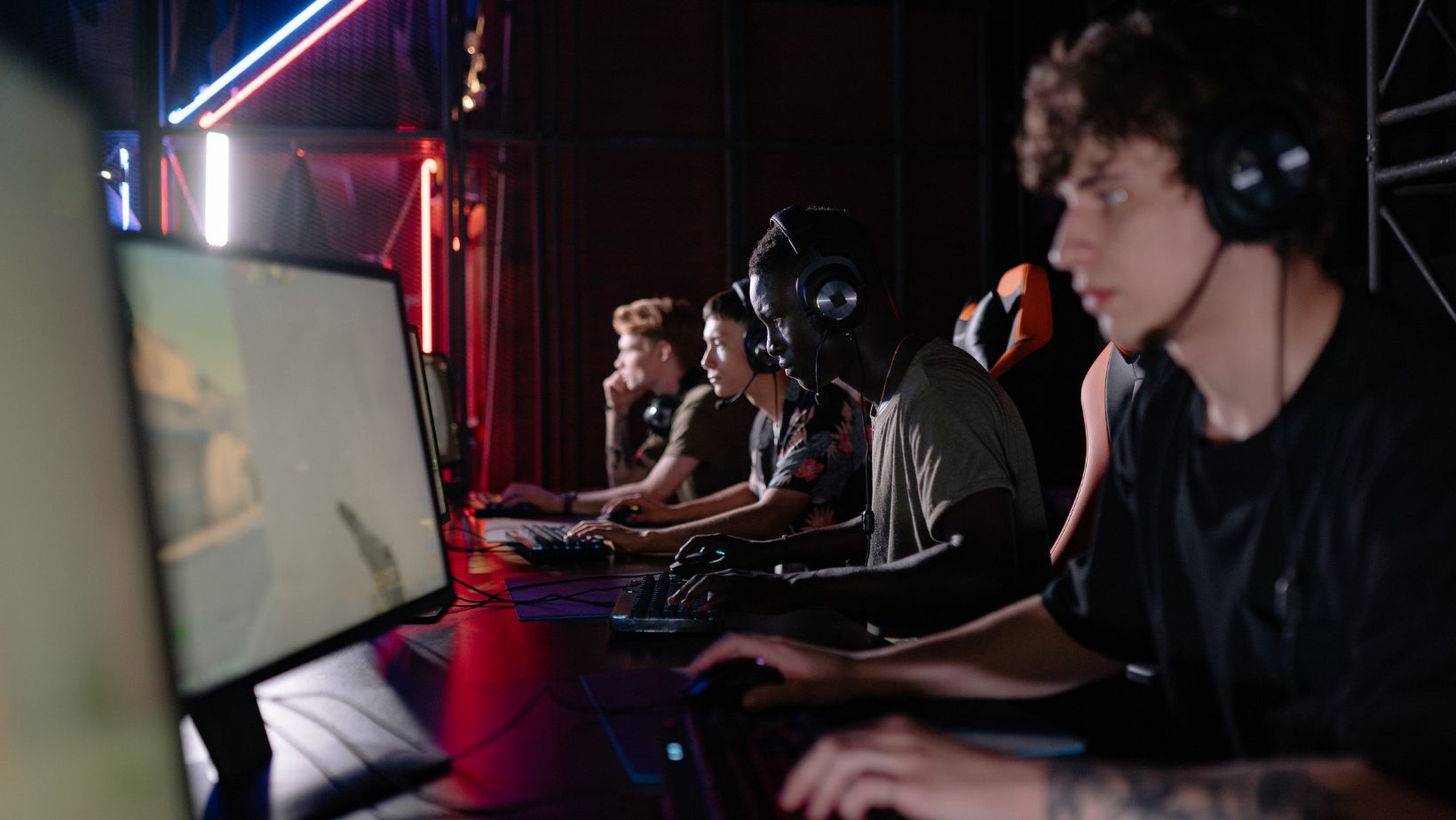
Applying psychological pressure creates mistakes you can exploit.
Aggression Creates Mistakes: Constant wall pressure, breaking builds, and forcing opponents to replace structures creates mental stress. Stressed opponents make mistakes—bad edits, missed shots, panic peeks.
Baiting Shots: Fake edits, quick peeks with instant resets, and unpredictable timing baits opponents into shooting prematurely. Once they’ve shot and missed, you have a brief window where they’re vulnerable.
Sound Cues: Every build placement, edit, and footstep creates sound information. Listen carefully to predict opponent actions. If you hear an edit sound but don’t see an opening, they’re likely baiting or setting up a complex play.
Patience Pressure: Sometimes the best pressure is no pressure. Box up, heal, and wait. Impatient opponents will eventually make aggressive mistakes trying to force the fight. Let them come to you on your terms.
Common Box Fight Mistakes
Most players lose box fights not to superior opponents but to self-inflicted errors:
Over-Editing: Editing too frequently creates predictable patterns. Elite players count your edits and predict the third or fourth one, pre-firing perfectly as you peek.
Poor Piece Priority: Fighting for a wall while ignoring the cone above you means the opponent can edit down and shoot you from an unexpected angle.
Tunnel Vision: Focusing so hard on one opponent that you miss the third-party rushing in or the storm closing behind you.
Panic Building: When taking damage, players spam walls randomly instead of deliberately rebuilding protection and creating advantageous positions.
Bad Resets: Starting an edit then hesitating creates vulnerability. If you commit to an edit, follow through with the shot. If you reset, do it instantly and decisively.
Practice Methodology That Works
Box fighting is entirely mechanical—meaning it’s entirely trainable through deliberate practice.
Realistics/Box Fight Maps: Play Creative box fight maps daily for 15-30 minutes. These compressed practice sessions build muscle memory faster than hoping for box fights in real matches.
1v1 Friends: Playing against the same opponent repeatedly lets you learn patterns, experiment with techniques, and get immediate feedback. Randos in Creative are fine, but consistent practice partners accelerate improvement.
Review Your Deaths: Every death in a box fight teaches something. Rewatch clips (if you record gameplay) or mentally review: Did I lose wall control? Did I peek predictably? Did I panic? Identify the specific mistake.
Isolate Specific Techniques: Spend entire practice sessions working on one skill: wall taking, cone traps, top-side peeks, or reset speed. Mastery comes from focused repetition, not scattered practice.
The Hardware Reality
Box fighting has a mechanical ceiling determined by your hardware. Fighting on 60fps against 240fps opponents with superior input response gives them a tangible advantage.
Frame Rate: Higher FPS means smoother edits, quicker wall placements, and reduced input lag. 144fps minimum for competitive box fighting; 240fps is ideal.
Monitor Refresh Rate: A 240Hz monitor displays your actions faster than 60Hz, reducing the delay between input and visual feedback.
Input Devices: Low latency mouse and keyboard (or controller) matters. Generic peripherals introduce milliseconds of delay that compound across dozens of actions in a box fight.
Optimize what you can, but remember: better hardware enables but doesn’t replace skill. Plenty of controller players on console beat PC players in box fights through superior fundamentals.
The Path to Box Fight Mastery
Box fighting mastery isn’t innate talent—it’s deliberate skill acquisition. The players who dominate practiced these fundamentals thousands of times until they became automatic.
Start with piece control. Master wall taking and cone placements until they’re muscle memory. Add offensive techniques one at a time: window peeks, then top-side peeks, then fake edits, then double edits.
Layer in defensive techniques: turtling, additional boxes, cone traps, escape edits. Practice until panic disappears and you react optimally even under pressure.
In two weeks of focused practice (15-30 minutes daily), your box fighting will transform. In two months, you’ll win exchanges you previously lost. In six months, you’ll be the player others avoid fighting in close quarters.
Box fighting is Fortnite’s purest skill check. Master it, and your competitive ceiling skyrockets. Ignore it, and you’ll forever wonder why you can’t close out fights against similarly skilled opponents.
The choice is yours. Start practicing today.