

If you’ve been around Roblox long enough, you know the debate: R6 or R15? While newer players might default to the modern R15 rig with its extra articulation, veterans and competitive players often swear by R6, the classic six-part avatar system that’s been around since Roblox’s early days. Even in 2026, R6 remains surprisingly relevant, powering everything from retro experiences to high-stakes combat games where frame-perfect movement matters.
But what exactly makes R6 different, and why would anyone choose a simpler rig over the more advanced option? Whether you’re trying to optimize performance, chase that nostalgic blocky aesthetic, or gain an edge in specific games, understanding R6 is essential. This guide breaks down everything you need to know about the classic Roblox avatar system, from technical differences to practical gameplay advantages.
Key Takeaways
- Roblox R6 is a simple six-part avatar system that delivers superior performance on lower-end devices and mobile, making it ideal for players with limited hardware or slower connections.
- R6 remains competitive-ready in specific game genres like combat shooters and platformers due to predictable hitboxes and snappier movement mechanics that offer genuine gameplay advantages over R15.
- The classic Roblox R6 aesthetic drives a thriving retro community in 2026, with nostalgic players actively choosing the blocky rig to experience authentic 2008-2012 era games and cosmetics.
- Game developers can override your avatar settings and force you into either R6 or R15, so always check individual game requirements before expecting your preferred rig type to load.
- Stick with classic accessories, traditional shirts, and pants on R6 to avoid compatibility issues, as layered clothing and modern items are designed exclusively for R15’s additional joints.
- R6 faces no imminent removal from Roblox and will remain officially supported for years, especially as the platform expands globally and performance optimization becomes increasingly critical.
What Is Roblox R6?
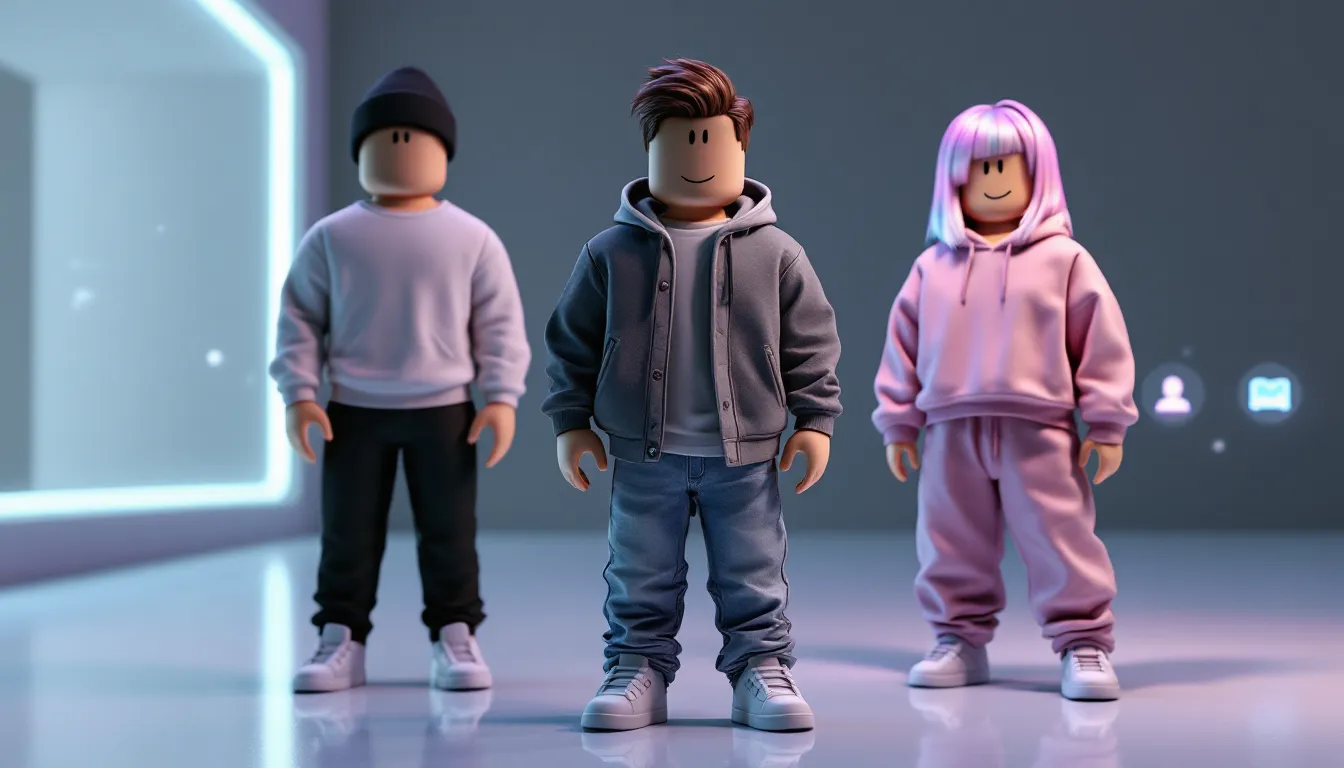
R6 (short for “Rig 6”) is Roblox’s original avatar system, featuring a simple character model built from six body parts: head, torso, left arm, right arm, left leg, and right leg. This straightforward construction has been the foundation of Roblox avatars since the platform’s launch, and it remains available as an option alongside the newer R15 system.
Unlike modern character rigs in other games that use complex skeletal systems with dozens of bones, R6 keeps things brutally simple. Each limb is a single solid piece that rotates at its joint. There’s no elbow bending, no knee articulation, no shoulder rotation, just pure, blocky movement that defines the classic Roblox look.
The system uses a basic hierarchy where the torso acts as the root, with all other parts attached via Motor6D joints. When your character moves, these motors rotate the limbs around fixed pivot points, creating that distinctive stiff-legged walk and T-pose idle stance that defined early Roblox.
Understanding the R6 Rig Structure
The technical makeup of R6 is dead simple, which is exactly why it works so well. The rig consists of:
- Head: Contains the face and attaches accessories like hats and hair
- Torso: The central body piece that houses the humanoid root part
- Left/Right Arm: Single-piece limbs that rotate from the shoulder
- Left/Right Leg: Single-piece limbs that rotate from the hip
Each connection point uses a Motor6D object, which is basically a controllable joint that animators and scripters can manipulate. Because there are only five joints total (neck, two shoulders, two hips), the animation data stays incredibly lightweight.
This simplicity translates directly to performance. R6 characters require fewer calculations per frame for physics, collision detection, and animation interpolation. On lower-end devices or in servers with dozens of players, those savings actually matter. Players on older hardware or mobile devices often report smoother gameplay when using R6 avatars in demanding experiences.
R6 vs. R15: Key Differences Explained
The jump from R6 to R15 wasn’t just about adding parts, it fundamentally changed how Roblox characters move and interact with games. R15 introduced a 15-part rig with bendable elbows, knees, and waist, plus separate upper and lower sections for arms and legs. But more parts doesn’t automatically mean better, especially depending on what you’re trying to accomplish.
Animation and Movement Differences
R15’s extra articulation points enable far more realistic animations. Characters can crouch, climb ladders with hand-over-hand motion, and perform actions that would look ridiculous on R6’s rigid frame. The default walk cycle alone shows the difference, R15 characters have natural arm swing and knee bends, while R6 avatars march forward with straight legs in that iconic blocky gait.
But realistic doesn’t always mean responsive. R6 animations are faster to execute because they involve fewer moving parts. In combat-focused games, this translates to snappier movement and quicker transitions between states. Your character doesn’t need to finish a complex knee-bend animation before registering a jump, you just go.
The hitbox situation is also different. R6 hitboxes are generally more predictable and uniform due to the simpler geometry. R15’s bent limbs can create weird collision scenarios where a slightly crouched character presents a smaller target, which some developers love and others hate. According to recent game development discussions, many competitive Roblox shooters still mandate R6 to keep hitboxes consistent across all players.
Compatibility with Games and Accessories
Not every Roblox experience supports both rig types. Developers can force players into R6 or R15 regardless of their avatar settings, and this decision usually comes down to how the game’s mechanics were built.
Older games, especially those created before R15’s 2016 introduction, often break completely with R15 avatars. Animations won’t line up, clothing clips through limbs, and custom tools might attach at weird angles. Classic obbies, tycoons, and combat games from Roblox’s golden era typically require R6.
Accessory compatibility works differently too. R6 can wear most hats, faces, and gear items, but advanced layered clothing (the stuff with realistic cloth physics) only works properly on R15. If you’re big into avatar customization with the latest clothing items, R6 will feel limiting. On the flip side, classic gear items and tools often look better proportioned on R6’s blockier frame.
Some developers exploit this by creating R6-specific games where the simplified rig is part of the aesthetic. Retro-style experiences lean into the nostalgic look, while certain PvP games use R6 to level the playing field and remove animation-based advantages.
Visual Appearance and Customization Options
There’s no sugarcoating it, R6 looks primitive compared to R15. Your character moves like a wooden mannequin, clothing doesn’t flow naturally, and dynamic poses are impossible. But that’s exactly the appeal for a huge chunk of the player base.
The blocky aesthetic is pure Roblox identity. It’s the look that built the platform, and many players find R15’s smoother animations feel too “modern” or generic. R6 characters have a charm that comes from limitation, similar to how pixel art remains popular even though modern graphics capabilities.
Customization-wise, R6 works perfectly with classic shirt-and-pants combos, older accessories, and retro packages. You won’t get the fancy stuff like dynamic heads or layered hoodies, but you’ll nail that 2010-era Roblox vibe that’s genuinely having a resurgence in 2026. Some of the most popular retro servers and experiences specifically encourage R6 to maintain visual consistency.
Why Players Still Choose R6 in 2026
You’d think an avatar system from Roblox’s ancient history would be obsolete by now, but R6 usage remains strong even as we push further into 2026. The reasons go beyond nostalgia, touching on performance, competitive integrity, and aesthetic preference.
Performance Benefits and Lower Resource Usage
Let’s talk numbers. R6 characters use roughly 40-60% fewer animation joints than R15, which directly impacts frame rates on lower-end devices. Mobile players especially notice the difference, on devices with older GPUs or limited RAM, R6 can mean the gap between smooth 60fps gameplay and choppy performance.
In large servers with 50+ players, the cumulative effect becomes even more pronounced. Every character on screen is processing physics, rendering, and network updates. Multiply R15’s additional complexity by dozens of players, and you start hitting performance walls. As detailed by IGN’s performance analysis, games with high player counts often default to R6 to maintain server stability.
Bandwidth matters too. R6 animation data is more compact, meaning less information needs to sync between client and server. On slower connections, this can reduce rubber-banding and improve hit registration in fast-paced games.
Nostalgia and Classic Roblox Aesthetics
Nostalgia is a hell of a drug, and Roblox players are no exception. For anyone who joined before 2017, R6 is the “real” Roblox. The stiff movements, the blocky proportions, the way characters T-pose when standing still, it’s all part of the authentic experience.
This isn’t just sentimental rambling. There’s a genuine retro movement in the Roblox community right now, with players actively seeking out classic experiences and styling their avatars to match the 2008-2012 era. R6 is essential to pulling off that look properly. Wearing a classic Roblox package like Blockhead or Superhero on an R15 rig just doesn’t hit the same.
Some developers are capitalizing on this by creating explicitly retro games that mandate R6 and even restrict modern accessories. These nostalgia-focused experiences have found serious audiences, with some pulling tens of thousands of concurrent players who want that old-school Roblox feel.
Competitive Advantages in Certain Games
Here’s where it gets tactical. In specific game genres, R6 provides legitimate competitive advantages that have nothing to do with nostalgia or performance.
Combat games with hitbox-based mechanics often favor R6’s predictable collision volumes. Your opponent presents a consistent target regardless of what animation they’re playing. R15 characters can manipulate their hitbox slightly through movement, creating micro-advantages that competitive players will absolutely exploit.
Movement tech is different too. R6’s simpler physics enable certain techniques that don’t work on R15. Bunny-hopping, strafe-jumping, and slide-boosting often have different timings or aren’t possible at all on R15 rigs. In movement-focused games like obbies or speedrun experiences, players have documented specific tricks that only work with R6.
Some fighting games deliberately use R6 because the animation timing creates a specific meta. When everyone’s working with the same limited moveset, success comes down to pure timing and spacing rather than who can animation-cancel more effectively. It creates a skill ceiling that competitive communities appreciate. Many players hunting free cosmetic rewards in these competitive games stick with R6 for the performance consistency it offers.
How to Switch Between R6 and R15
Switching your avatar rig type is straightforward, though with some important caveats about when your choice actually matters.
Changing Your Avatar Type in Settings
To set your default avatar type:
- Log into your Roblox account on the website or app
- Navigate to Settings (gear icon in the upper-right)
- Select the Avatar tab from the left sidebar
- Under Avatar Type, you’ll see options for R6 and R15
- Click your preferred rig type
- Hit Save at the bottom
Your avatar will immediately update to reflect the change. You can verify by checking your character’s appearance in the Avatar Editor, R15 avatars will have visible joints at elbows and knees, while R6 characters remain solid single-piece limbs.
On mobile, the process is similar:
- Open the Roblox app
- Tap the three dots (•••) menu
- Go to Settings
- Select Avatar
- Choose R6 or R15 under Avatar Type
Changes save automatically on mobile, and you should see your avatar update in the preview.
Game-Specific Avatar Type Requirements
Here’s the catch: your avatar setting is just a preference. Individual games can override it completely.
When you join an experience, the developer’s game settings determine which rig type you’ll actually use. If a game forces R6, you’ll load in as R6 regardless of your avatar settings. Same goes for R15-only games.
You can’t tell from the game’s thumbnail or description which rig type it uses, you’ll only know once you load in. Most modern games support both and will respect your preference, but classic experiences and competitive games often enforce a specific rig.
Some games go further and restrict avatar features entirely, overriding your clothing, accessories, or even colors to maintain visual consistency. Battle royale games and competitive shooters frequently do this to prevent pay-to-win advantages from specific accessories.
If you’re serious about a particular game, check community forums or the game’s Discord to see if there’s a preferred rig type. Competitive players often share whether R6 or R15 provides advantages for that specific title’s mechanics. Players seeking resources or Robux-related content sometimes test avatar types across different games to see which performs best on their devices.
Best Roblox Games That Support R6
R6 shines in specific game genres where its simplicity becomes a feature rather than a limitation. Here are the categories where you’ll find the classic rig thriving.
Classic Combat and Fighting Games
Sword Fight on the Heights IV remains the quintessential R6 combat experience. The simple hitboxes and snappy animations make every duel feel precise. Your sword swings connect predictably, and movement doesn’t introduce animation-based randomness.
Base Wars is another standout that practically requires R6. The game’s building mechanics and combat pacing were designed around the classic rig’s physics. R15 characters feel sluggish in comparison, and the community overwhelmingly plays R6.
Crossroads (the various remakes and versions) benefit from R6’s performance characteristics. When 50+ players are battling simultaneously, the reduced overhead keeps servers stable and responsive.
PvP-focused experiences like Mortem Metallum and classic Paintball variants often enforce or strongly favor R6 for hitbox consistency. Competitive players appreciate that everyone’s working with identical collision volumes.
Platformers and Obstacle Courses
Obbies are R6’s natural habitat. The precise, predictable movement makes them ideal for frame-perfect platforming.
Tower of Hell technically supports both rigs, but experienced players often prefer R6. The simpler physics make specific jumps more consistent, and the reduced animation complexity means your inputs register faster.
Mega Fun Obby and classic obby collections were built during the R6 era, and they play exactly as intended with the original rig. Some jumps have different timing on R15, which can frustrate players following older guides.
The Classic ROBLOX experience is a preservation project showcasing 2008-2012 games, all running R6. It’s the definitive way to experience Roblox’s platforming roots.
Speedrunners specifically seek out R6-compatible obbies because the movement tech is more developed. Thousands of hours of route optimization and trick discovery have been done on R6, creating a deep skill ceiling.
Retro-Style Experiences
Catalog Heaven is pure R6 chaos, grab weapons from spawners and battle it out. The game’s been around since 2008 and hasn’t changed its core formula. It’s absolutely packed with players chasing that classic Roblox feeling.
Work at a Pizza Place supports both rigs but looks and feels most authentic on R6. The simple character models match the game’s straightforward aesthetic perfectly.
ROBLOX High School (the original, not the sequel) is peak 2010s Roblox, and while it technically works with R15, the community consensus is that R6 captures the intended vibe.
Classic ROBLOX Events and community-run retro servers explicitly require R6 as part of maintaining period-accurate experiences. These aren’t just games but preservation efforts keeping Roblox history alive. Players interested in classic account features often gravitate toward these retro experiences to see how Roblox used to function.
As RPG Site’s Roblox coverage has noted, even some newer RPG experiences deliberately use R6 for its distinctive visual style, proving the rig’s relevance extends beyond pure nostalgia.
Tips for Optimizing Your R6 Avatar
Getting the most out of R6 means understanding what works with the limited rig and what just creates problems.
Choosing the Right Accessories and Clothing
Stick with classic packages for the most authentic look. The original body packages like Superhero, Jock, Athlete, and Blockhead were designed specifically for R6 and look perfect. Modern packages often have proportions that look weird on the six-part rig.
For clothing, traditional shirts and pants work flawlessly. They’re basically texture wraps that conform to R6’s simple geometry. Avoid layered clothing entirely, it’s designed for R15’s additional joints and will either not appear at all or look broken on R6.
Accessory selection matters for performance. Each hat, face, and gear item adds to your character’s rendering overhead. If you’re on a low-end device, keep accessories minimal. Three or fewer items is the sweet spot for maintaining performance while still looking customized.
Hats from Roblox’s early catalog often look better proportioned on R6. Oversized modern accessories can completely dwarf the classic avatar’s smaller head size. Browse the catalog sorted by oldest first to find items designed for R6’s proportions.
Colors and materials have minimal performance impact, so experiment freely. Solid colors often look cleaner on R6 than complex textures, playing into the simplified aesthetic.
Troubleshooting Common R6 Issues
Problem: Accessories floating or misaligned
This usually happens when wearing items designed exclusively for R15. The attachment points are different between rigs. Solution: Stick to older catalog items or use the Avatar Editor’s preview to verify items look correct before purchasing.
Problem: Clothing not appearing in-game
Some games override avatar clothing entirely. If your shirts and pants vanish when joining a game, that’s intentional on the developer’s part. Nothing you can do except wear whatever the game provides.
Problem: Character appears as default gray avatar
This can happen if you’re wearing items incompatible with a game’s requirements. Try removing all accessories and using a basic classic package. If that fixes it, add items back one at a time to identify the culprit.
Problem: Animations look glitchy or frozen
Usually a game-specific bug where R6 animations weren’t properly implemented. Try rejoining the server first. If it persists, report it to the game developer, it’s their animation scripts causing issues.
Problem: Performance is still bad on R6
If you’re experiencing lag even with R6 enabled, the issue likely isn’t your avatar. Check your graphics settings in-game (reduce quality level), close background apps, or try a less demanding experience. R6 helps but can’t overcome severe hardware limitations. Players looking to optimize their Robux spending on performance-friendly items should focus on classic accessories that work well with R6.
Problem: Can’t jump as high as other players
Different body packages have different dimensions, which can slightly affect jump height and movement speed. If you’re in a competitive game and notice discrepancies, try switching to a default package like Superhero to normalize your physics properties.
The Future of R6 in Roblox
So what’s next for Roblox’s classic rig? The platform’s direction heavily favors R15 and newer avatar technologies, but R6 isn’t going anywhere, at least not soon.
Roblox Corporation has made it clear through dev forum communications that R6 remains officially supported. They’re not actively developing new features for it, but they’re also not deprecating it. It’s essentially in maintenance mode: functional, stable, and available for developers who want it.
The introduction of Rthro and other advanced avatar systems shows where Roblox’s priorities lie. They’re pushing toward more realistic, expressive characters that can support complex animations and next-gen cosmetics. R6 doesn’t fit that vision at all, which means it won’t receive updates or improvements.
But here’s the thing, the player base won’t let it die. R6 has achieved cultural permanence within the Roblox community. It represents an era, an aesthetic, and a playstyle that millions of players still value. As long as developers can choose to support it, many will.
The competitive scene especially will fight to keep R6 relevant. Games built around its specific physics and hitbox properties have years of meta development and community investment. Forcing those communities to R15 would fundamentally change gameplay in ways that wouldn’t be welcome.
Performance requirements also keep R6 vital. As Roblox expands globally into regions with lower-spec devices and limited internet infrastructure, the lightweight classic rig becomes more important, not less. A player on a budget Android phone in Southeast Asia might not have a choice, R6 could be the difference between playing or not playing at all.
The nostalgia market is real money. Retro experiences are consistently popular, and developers know that R6 is part of the authentic package. As the platform ages and early players become adults with disposable income, that nostalgia only grows stronger. Players seeking ways to earn cosmetics or promotional codes often do so specifically to recreate their classic R6 avatars from Roblox’s early years.
Will Roblox eventually force everyone to modern avatar systems? Possibly, but not in the next few years. The platform has bigger technical challenges to solve, and actively removing R6 would create massive backlash for questionable benefit. More likely, it’ll remain a legacy option that slowly becomes less common as new players default to R15 and developers build exclusively for modern rigs.
For now, R6 is alive and well in 2026, serving its niche with zero signs of imminent removal.
Conclusion
R6 might be ancient by tech standards, but it’s still pulling weight in specific scenarios where simplicity beats complexity. Whether you’re chasing smooth performance on limited hardware, hunting for that authentic classic Roblox aesthetic, or gaining competitive edges in games built around the old rig’s physics, the six-part avatar system has legitimate reasons to exist in 2026.
The choice between R6 and R15 isn’t about which is objectively better, it’s about what fits your needs. Modern experiences with complex animations and realistic clothing demand R15. Classic combat games, precision platformers, and retro experiences often work better with R6. Know what you’re playing, understand the trade-offs, and set your avatar accordingly.
As Roblox continues evolving toward more advanced avatar systems, R6 stands as a reminder of where the platform started and proof that older tech doesn’t become obsolete just because something newer exists. Sometimes the blocky mannequin wins.