


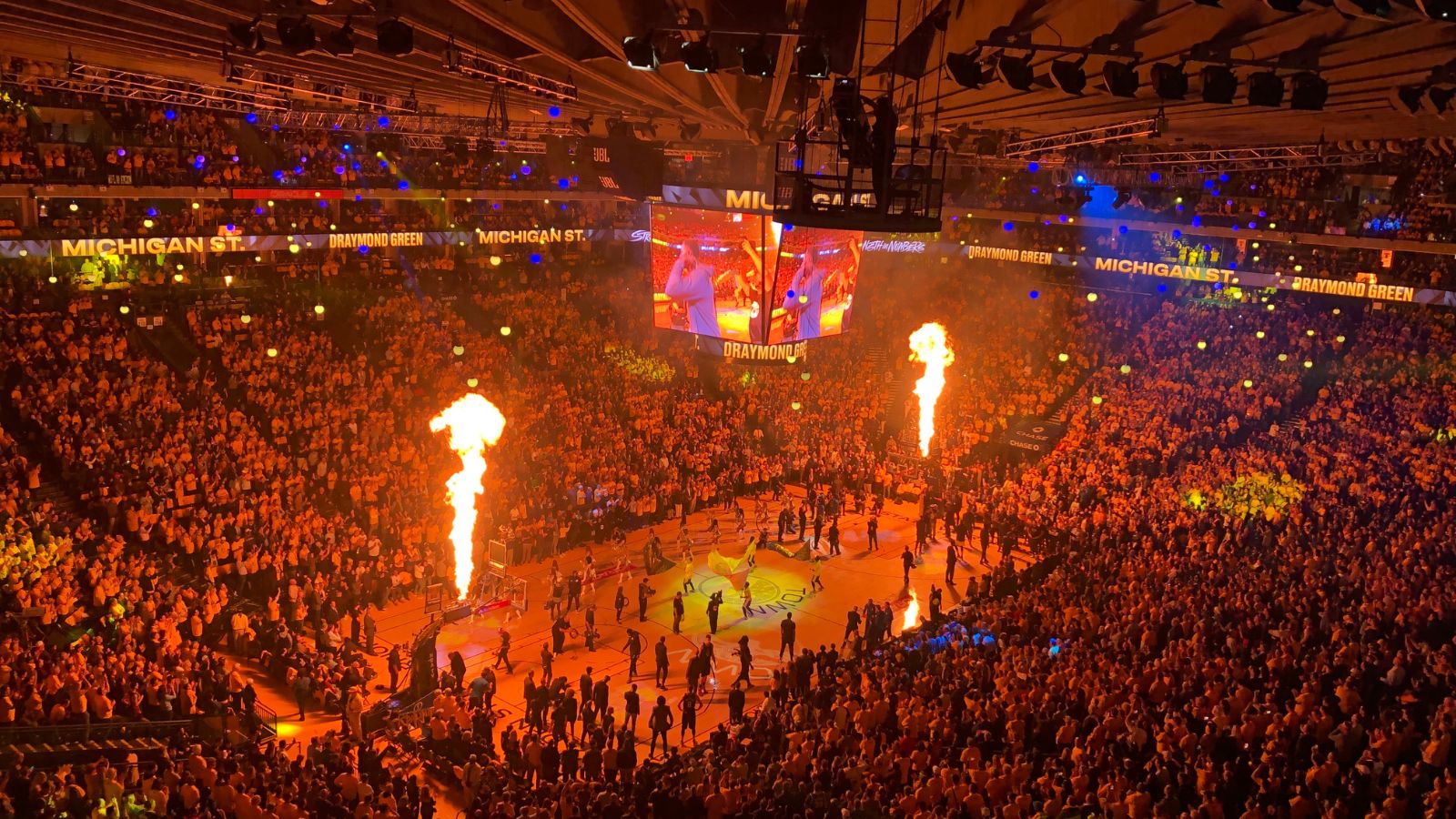
The 2026 NBA Playoffs are officially underway. The play-in tournament delivered drama straight out of the gate, with LaMelo Ball sealing a 127-126 overtime win for Charlotte against Miami, and Portland clawing back from eleven points down to beat Phoenix and earn the West’s seventh seed. First round games tip off April 18, and already the story of this postseason is taking shape around something that gets talked about less than points and matchups: who is physically fit enough to last.
Victor Wembanyama is nursing a bruised rib. Anthony Edwards sat out ten of eleven games in March with a knee injury. The Golden State Warriors arrived at the play-in without Jimmy Butler III and Moses Moody both lost to season-ending injuries, with Stephen Curry only just back from missing 27 games himself. This is a postseason where the teams that managed their rosters carefully through the regular season are arriving with an obvious edge.
For fitness-minded fans watching this unfold, it raises a genuinely interesting question: what does playoff-level physical preparation actually look like, and what can regular people take from it?
What Playoff Conditioning Really Looks Like
NBA teams don’t just train hard in the postseason. They train smart. Load management, which has been one of the most debated topics in the league for years, is fundamentally a fitness concept: the idea that strategic rest preserves performance over a long season better than grinding through every game at full intensity.
The teams that handled this well are showing up healthy when it matters. Detroit, the East’s top seed, built their season on defense, intensity and physicality. That kind of game takes a toll, and how they hold up physically through a long playoff run will tell the whole story. For anyone who trains regularly, the principle is the same. Recovery is not a reward for hard work. It is part of the work.
Injury Prevention Is the Unsexy Skill That Decides Everything
The Warriors’ situation this postseason is a useful case study in what happens when a roster doesn’t stay healthy. Losing Butler and Moody before the playoffs even started isn’t just bad luck. It reflects the cumulative cost of a long season on bodies that get pushed hard without adequate recovery time built in.
Research consistently shows that strength training reduces sports injury rates by roughly a third across all sport types. Sleep deprivation of even modest amounts measurably increases injury risk in competitive athletes. These aren’t abstract findings. They show up directly in who makes it to the conference finals and who watches from home.
For the average person running, lifting, or playing recreational sports, the lesson is the same. The people who stay consistent over years are almost never the ones who trained hardest in short bursts. They are the ones who built habits around recovery, mobility, and listening to their bodies before something breaks down.
How Fans Are Using Player Health Data in New Ways
One of the more interesting byproducts of the sports analytics boom is how much detailed health and performance data is now publicly accessible. Injury reports, minutes restrictions, usage rates, matchup statistics and fatigue indicators are all trackable in real time. Fans who pay attention to this information don’t just watch the playoffs with more context. They use it.
Daily fantasy sports is where this fan knowledge gets put to practical use. Building a lineup for a playoff night requires exactly the kind of analysis that fitness-aware fans are already doing: who is managing an injury, who is likely to see extended minutes because of a teammate’s absence, whose usage rate spikes in postseason play. The overlap between understanding athlete fitness and building smart lineups is real and significant.

Getting Started With Daily Fantasy Sports During the Playoffs
The playoffs are genuinely one of the best times to get into daily fantasy sports for the first time. The field is smaller, the matchups are higher stakes, and the injury and performance data coming out of each series gives engaged fans a real edge over casual participants. Unlike season-long leagues where you commit to a roster for months, daily formats let you build a fresh lineup for each night’s games based on whoever is healthy, hot, and facing a favorable matchup.
That flexibility is part of what makes it accessible. You’re not locked into decisions made back in September. Every night is a new slate, which means the information you gathered from watching two games earlier in the week is immediately applicable. The learning curve is real but not steep, and understanding a few core concepts around salary caps, value plays, and contest formats makes a big difference early on.
The Bigger Picture: Sport as a Fitness Motivator
There is something worth acknowledging about what the playoffs do to people’s interest in physical activity. Viewership spikes, recreational basketball pickup games fill up, people who haven’t thought about their jump shot in months start looking up training videos. Elite sport has always functioned as a motivational trigger for casual fitness, and the NBA playoffs in particular carry enough cultural weight to pull people off the couch.
Whether that interest leads to a new training routine, a deeper engagement with sports analytics, or simply a more informed way of watching the games, the playoffs create a genuinely useful window. The connection between understanding how elite bodies work and improving your own is closer than it might appear.
Sports science research published through organizations like the American College of Sports Medicine consistently supports what the best NBA training staffs already know: that recovery, load management, and consistency outperform intensity every time.