


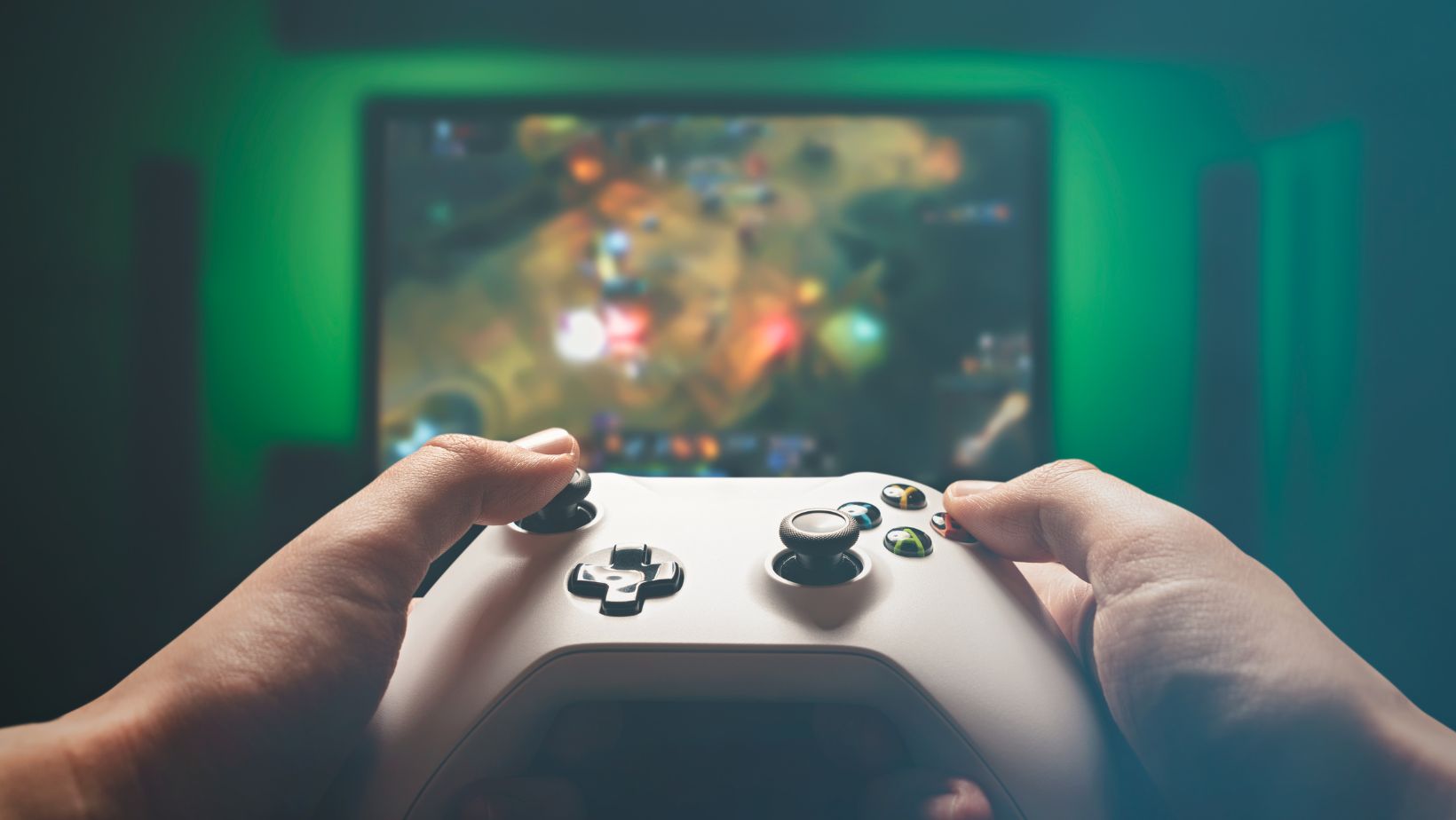
Online games have a funny way of becoming part of life. At first, it’s casual. You download one because a friend tells you to. Or you try something because everybody seems to be playing it. Or you open a game one random night thinking you will mess around for twenty minutes and then go to sleep like a responsible adult. Then suddenly it is three weeks later, you know the menu music by heart, you have opinions about maps and characters, and you are texting someone asking for one more round.
There’s a reason behind that. People come back because good games are very, very good at making people feel involved. They make people feel switched on. They make downtime feel more fun. They turn spare minutes into something active and give players little wins, shared moments, and goals to chase. Way better than doomscrolling.
That’s where psychology comes in. Not in some dramatic way, but more in a human, everyday way. People like feeling progress. People like feeling capable. People like fun routines. People like variety and social spaces where showing up is easy. We also like experiences that wake up our attention and make an hour feel fuller than it did before.
Online games do all of that better than a lot of other modern entertainment.
A TV show can be great, but it does not react to you. Music can change your mood, but it does not give you a goal. Social media can kill time, but it often leaves people feeling like time just vanished into the air. Games are different. Games at online platforms such as Stake answer back. They give you something to do, something to improve, something to laugh about, and sometimes something to brag about.
That is a huge part of why online game engagement is so strong. It is not only about what the game is. It is about what the game feels like to return to.
And that feeling is usually a mix of small things working together. A sense of progress. Quick feedback. Just enough challenge. A familiar routine. Friends being online. A new update to check. A better rank to chase. A dumb but glorious win that makes everybody in voice chat yell at the same time.
When all of that clicks, a game stops being just a game you tried once. It becomes your game for a while. Maybe even for years.
It Feels Good to Make Progress, Even the Tiny One
One of the biggest reasons people stay into online games is also one of the simplest: progress feels nice. That is true almost everywhere in life. People like crossing things off a list. They like getting better at stuff. They like seeing effort turn into something visible. It is not a gaming thing. It is a human thing. Games just happen to package it really well.
In real life, progress can be annoyingly vague. You work all week and still feel behind. You clean the kitchen and it somehow gets messy again in fifteen minutes. You answer emails and are rewarded with more emails, which is not exactly a glamorous system. A lot of everyday effort has this blurry, thankless quality to it.
Games are much simpler.
You play, and something happens. You level up. You unlock a skin. You learn a map. You hit a better rank. You finally stop making the same mistake every round and understand a mechanic that confused you before. You build something. Collect something. Upgrade something. Even when the step forward is small, it still feels like a leap forward.
That’s a major pull since people enjoy experiences that make time feel productive and fun. And games are very good at that. You can spend forty minutes playing and come away thinking, I actually got somewhere. That feeling goes a long way. It makes the session feel worth it.
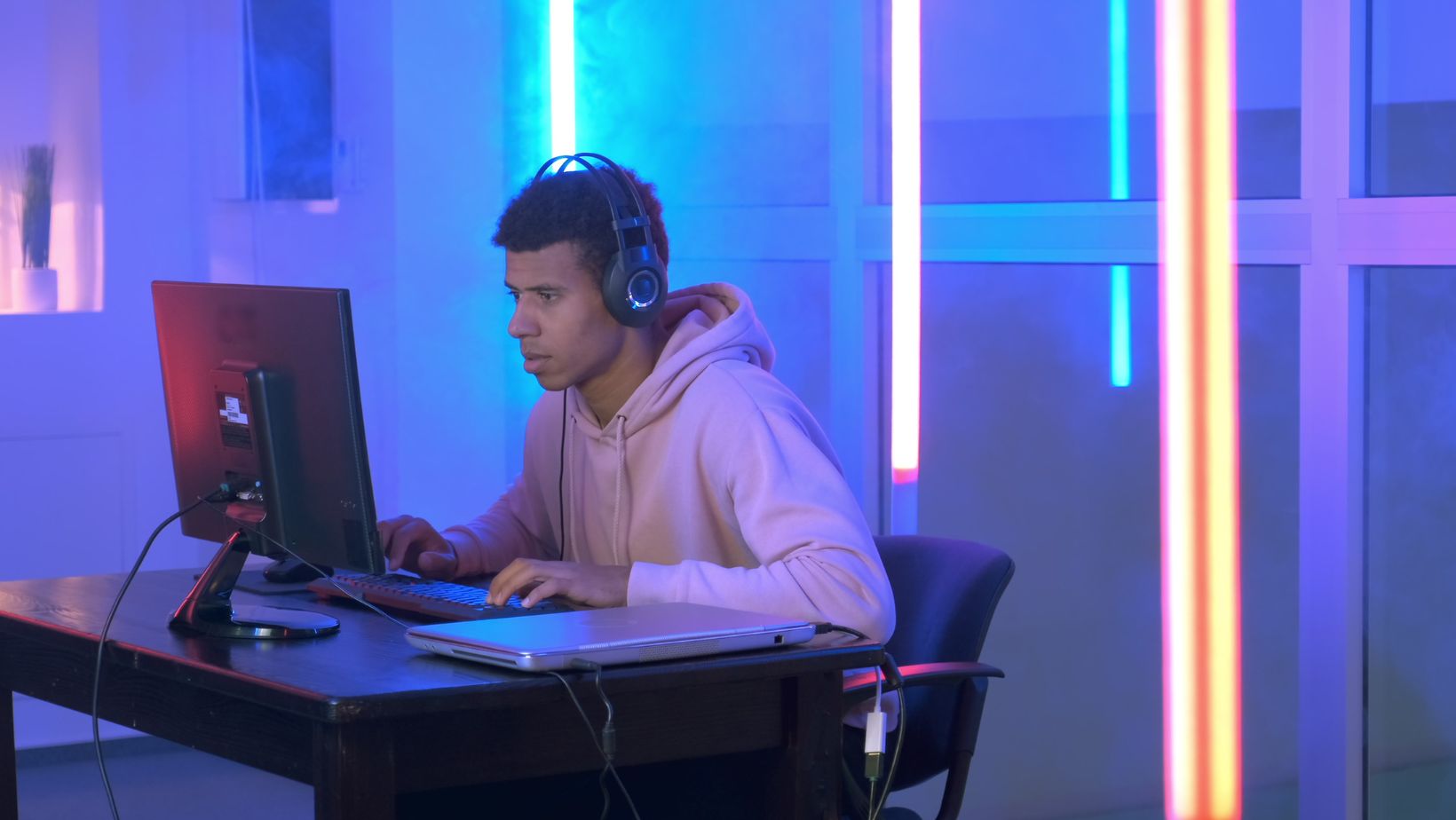
Even better, progress in games usually has several levels. There is obvious, visible progress, like levels, stats, rewards, and ranks. Then there is a quieter kind. You get better at reading what other players are about to do. Your timing improves. You get more confident and stop panicking in situations that used to throw you off. And once people start feeling improvement, they usually want more of it.
That is momentum. It is the same reason people stick with a hobby once they stop feeling clueless. The early clumsy stage is fading, and now they can see what they are doing. That makes the whole thing way more enjoyable.
Online game developers understand that. They make progress easy to notice, easy to feel, and easy to chase. No wonder people come back.
Games Are Amazing at Answering Back
Another big reason online games stay so engaging is that they do not leave people hanging. You press a button, make a choice, try something risky, pull off something smart, or completely embarrass yourself in front of your team, and the game responds instantly. It’s something you’ll remember.
Life is full of delayed reactions. You send a message and wait. You apply for something and wait. You work hard and maybe the result shows up later, maybe not, maybe in six weeks, maybe after three meetings nobody wanted. A lot of normal life has this slow, floaty pacing where the connection between effort and result is fuzzy.
Games are the opposite.
They are crisp. You act, they respond. You do well, you can see it. You mess up, you can usually tell why. That kind of fast feedback keeps attention locked in. It also makes the experience feel satisfying, because the brain loves clear cause and effect.
Do something. See the result. Adjust. Try again. That loop is weirdly soothing.
It makes gaming feel active in a way that a lot of entertainment does not. You are not just watching things happen. You are making them happen. And because the response is quick, the whole experience feels vivacious.
This is also why short gaming sessions can feel surprisingly refreshing. Even if someone only has half an hour, they still get that nice clean rhythm of action and reaction. That can be enough to make the session feel mentally energizing. Not because the player accomplished anything earth shaking, but because they were fully engaged in something that made sense moment to moment.
There is a reason people say they just want to play something for a bit to clear their heads. Games can actually do that. They give the brain a tidy little system to live in for a while.
The Sweet Spot Is a Challenge Without the Hassle
People like challenges. But only the good kind.
Nobody wants a game with the focus of only pressing buttons, or aggressive stories that make them feel anxious. The fun zone is somewhere in the middle.
The best games make people feel stretched, but not crushed. They ask for focus, but not total misery. They create tension, but also leave room for players to feel clever, improving, and capable. That is what keeps people leaning forward instead of checking out.
When a challenge feels fair, attention sharpens. People get into that locked in mode where the rest of the world quiets down for a bit. They stop thinking about chores, deadlines, weird emails, or whatever awkward thing they said earlier that day. For a while, it is just the match, the mission, the round, the race, the puzzle, the team. That feeling is one of the best things games can give.
It’s not just fun. It is mentally satisfying. It gives people a break from scattered attention. A lot of modern life is noisy and split into a hundred tabs. Games can cut through that by giving people one clear thing to focus on.
And when the challenge is balanced well, the player feels like success is possible if they pay attention and play smart. That is a powerful mix. Effort matters. Decisions matter. Improvement feels possible.
Online Games Are Also Social Spaces
A lot of games are fun on their own. But the social side is often what makes them stick.
Once a game becomes tied to other people, it starts meaning more. It’s not just about mechanics anymore. It is who you play with. Who is always late to the queue. Who insists on bad plans with way too much confidence. Who somehow carries the team while claiming they are just messing around. Who turns every match into a comedy show.
Online games make socializing easy in a way that fits real life. People are busy. Everyone is tired. Organizing plans can feel like trying to schedule a summit between three countries and one unreliable cousin. Games cut through that. You log on, people join, and suddenly you are spending time together.
Sometimes the game is the main thing. Sometimes it is just an excuse to talk. Both count.
That is a huge reason people come back. A game might be good, but if it becomes the place where your group hangs out, now it has emotional weight too. It becomes part of friendship. Part of the routine. Part of memories. There are people who cannot hear certain game sounds or songs without immediately remembering a particular season, team, or late night session. That is not just gameplay. That is life getting attached to a digital space.
Even solo players are not really outside this. They still feel community in other ways. They follow clips, watch creators, learn from other players, read patch notes, laugh at memes, and complain about balance changes on their account.
That social aspect makes a big difference.
Curiosity Could Be a Main Driving Force
Not every return to a game is about competition or routine. Sometimes people come back because they are curious.
They want to try a new loadout. Test a different role. See what changed in the update. Figure out why everybody is suddenly using one specific strategy. Explore a new area. Mess around with a build they saw someone else use. See if they can pull off something they failed at yesterday. Curiosity is powerful because it keeps things fun.
A lot of good online games stay interesting because they never fully close themselves off. There is always some corner of the experience the player has not explored yet. A better approach to learn. Some small mystery. Some tiny idea that makes players think, hang on, maybe I have been doing this wrong the whole time.
That feeling is gold. It means the game keeps rewarding attention. Not only effort, but interest. The player is not just repeating the same motions forever. They are still discovering things. That makes the whole experience feel open instead of stale. And honestly, humans love poking around in systems that look deeper than they first seemed. We are nosy like that. Games benefit from it.
Familiarity Can Be Just as Appealing
Familiarity matters too. A lot. Sometimes what people love most about a game is that they know it so well. They know the sounds. The maps. The pacing. The menus. The little rhythms of a match. The weird spots everybody fights over. The moment a round starts getting tense. The character they always pick. The tricks that still work. The ones that absolutely should work but somehow never do. That kind of familiarity can be comforting.
Small Wins Matter Way More Than Highlights
When people think about memorable gaming moments, they often picture big stuff. The perfect match. The rare win. The crazy comeback. The unbelievable clutch play that gets everyone yelling. Those moments are great, obviously.
But day to day, online game engagement is usually built on smaller things. A cleaner match than last time. A smart decision. A nice streak. A decent finish. A funny moment. A strategy finally working. Good teamwork with random players who somehow all had the same brain for ten minutes. A round where everything just clicks a little better than usual. Those smaller moments do a lot of work.
They understand that people want places that are fun to return to. And that is why online games keep such a strong hold on attention. They fit modern life almost perfectly. They can be social or solo. Competitive or relaxed. Familiar or fresh. Quick or all night ridiculous. They can meet people where they are.